Germany just cut its 2026 growth forecast in half, a blunt admission that the Iran war is feeding straight into Europe’s biggest economy through higher energy costs and weaker confidence. The economy ministry now sees growth at 0.5 percent this year, down from 1.0 percent, and trimmed 2027 to 0.9 percent from 1.3 percent. Inflation is expected to run hotter as well, with the government lifting its outlook to 2.7 percent in 2026 and 2.8 percent in 2027.
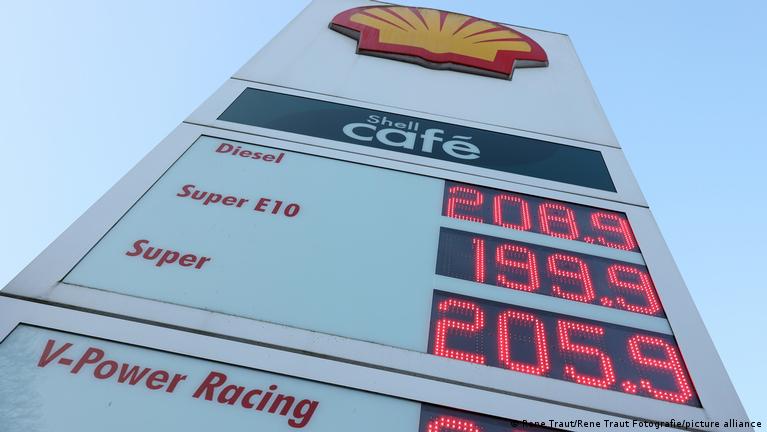
The mechanics are ugly but familiar. Rising fuel prices are squeezing households and businesses, while supply-chain strain, higher interest rates and softer export prospects add drag. Germany’s export machine is also losing some of the help it once got from cheap energy and open trade, and the ministry said exports will not rise year over year until 2027. That leaves domestic demand, government spending and still-positive real consumption doing most of the heavy lifting, even if the rebound looks fragile.
The downgrade also cuts both ways for Berlin’s budget. Because weaker growth expands the room under Germany’s debt brake, the government can borrow an extra 2.7 billion euros for the 2027 budget. Finance Minister Lars Klingbeil is due to produce the first draft by month-end, but the bigger political fight is over whether fiscal spending can do the job without deeper reform. Economy Minister Katherina Reiche is arguing for lower taxes, cheaper energy and less bureaucracy; business groups say the problem sits at home as much as it does in the Middle East.
There is some cross-border context around the gloom. A separate survey of investor sentiment showed confidence sliding to its weakest since 2022, underscoring how quickly the energy shock is bleeding into expectations. For the European Central Bank, that combination of stickier inflation and softer growth keeps rate policy awkward: markets are already betting on more tightening, while officials are signaling they will not overreact unless the price shock starts to stick.