The Iran war has become a lasting energy shock rather than a short, sharp disruption, with the International Energy Agency warning that the damage to LNG facilities in Qatar could keep global gas markets tight for two years. Fatih Birol said the crisis had changed fossil fuels “for ever,” arguing that governments will now reassess supply security and lean harder into renewables and nuclear power.
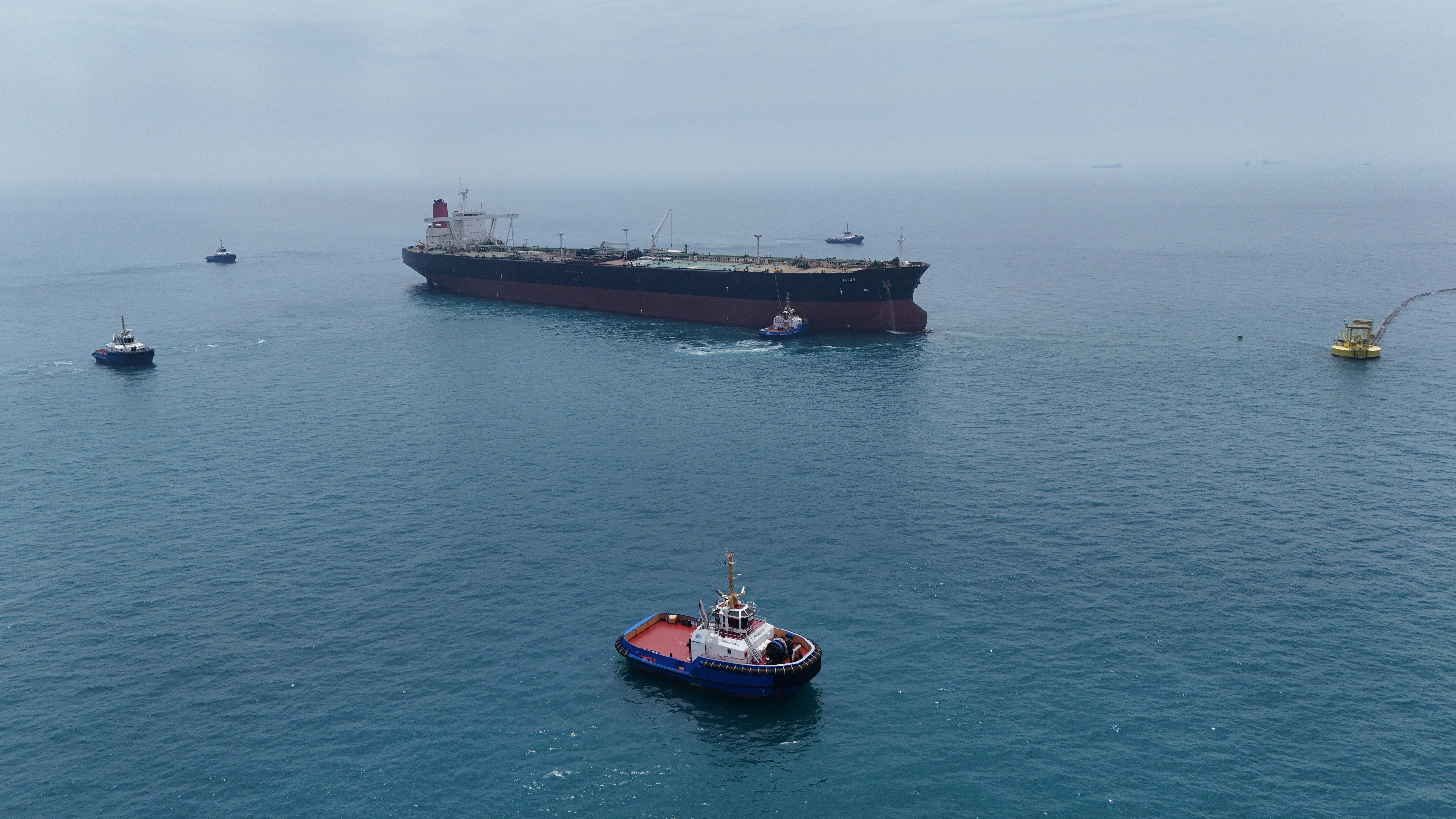
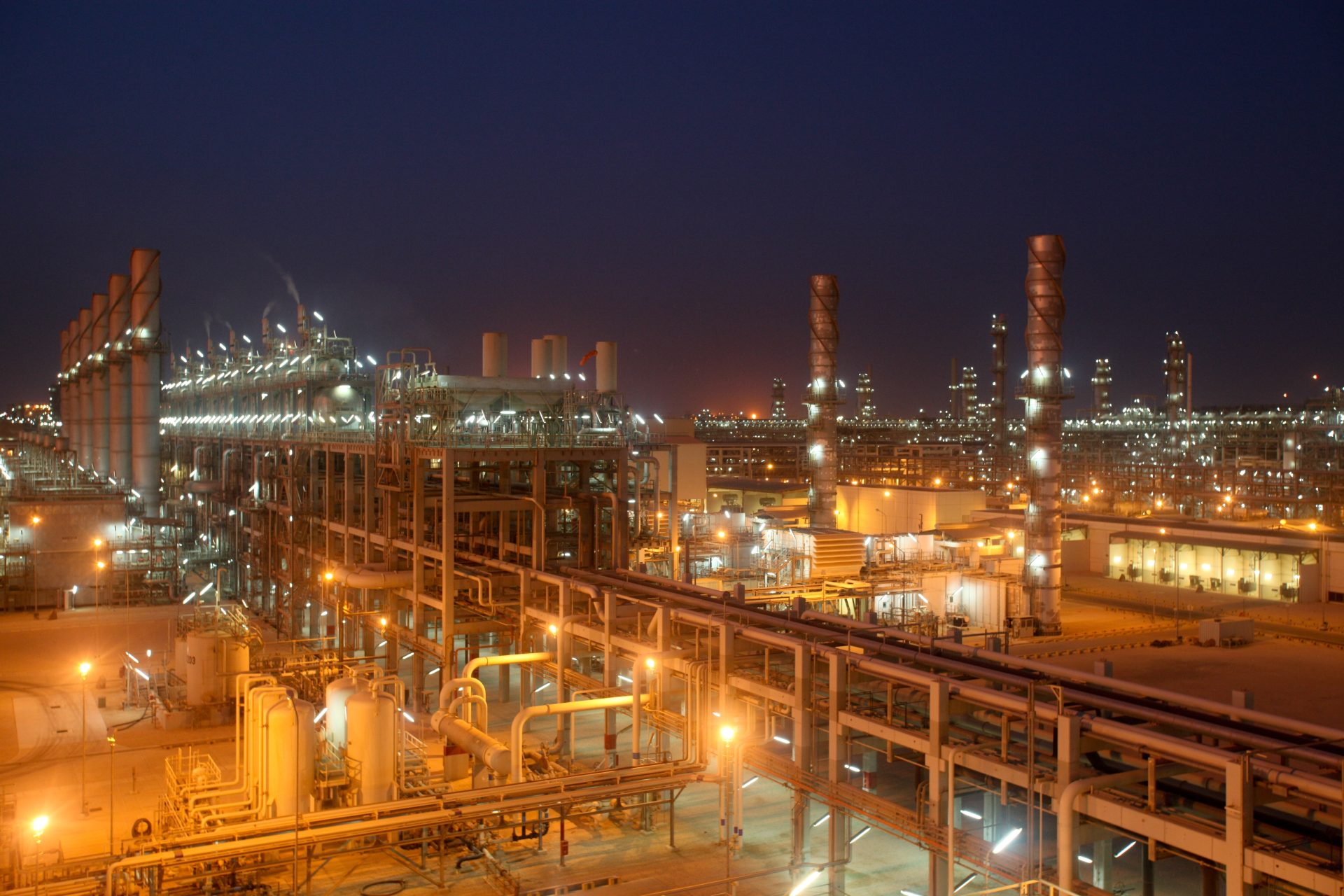
That view lines up with the IEA’s latest assessment that strikes on Qatar’s LNG plant cut capacity by 17 percent and could delay the next global LNG supply wave by at least two years. The agency said the disruption could remove 120 billion cubic meters of LNG supply through 2030, while Reuters noted that Tehran’s move to block the Strait of Hormuz upended a chokepoint that previously carried about 20 percent of the world’s oil and gas.
That puts pressure on importers already scrambling for alternatives, from Europe after Russia’s invasion of Ukraine to Asian buyers now leaning on demand cuts and fuel switching. It also strengthens the case for homegrown power, even as the same shock raises fresh doubts about the reliability of fossil-fuel trade routes and suppliers.
The next key test is how long the Strait of Hormuz stays effectively closed and whether repairs at Qatar’s damaged terminals can begin to restore LNG capacity, both of which will shape gas prices through 2026 and 2027. More than 50 governments are due to meet in Colombia next week to discuss the transition away from fossil fuels, a gathering that now has a much more urgent backdrop.