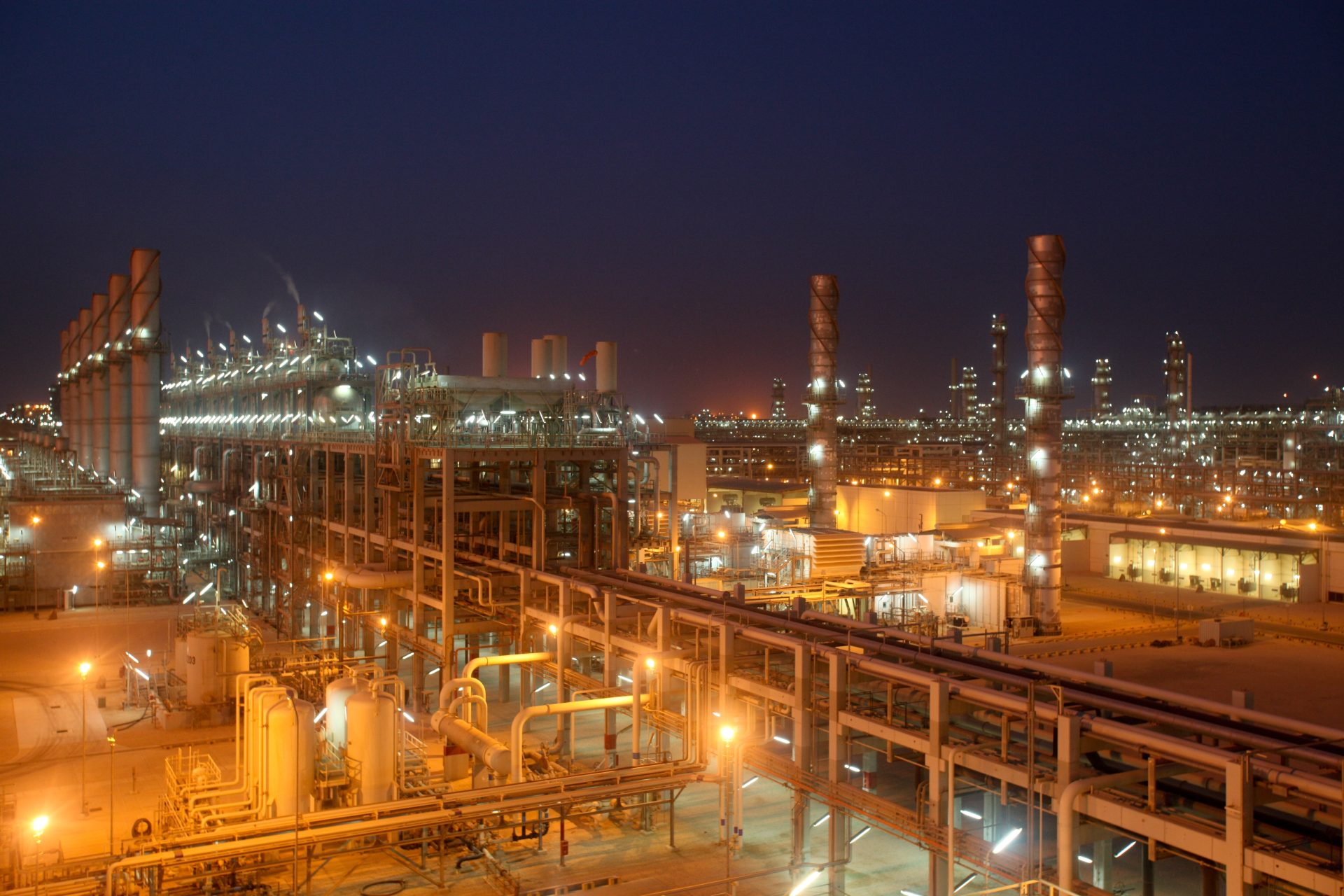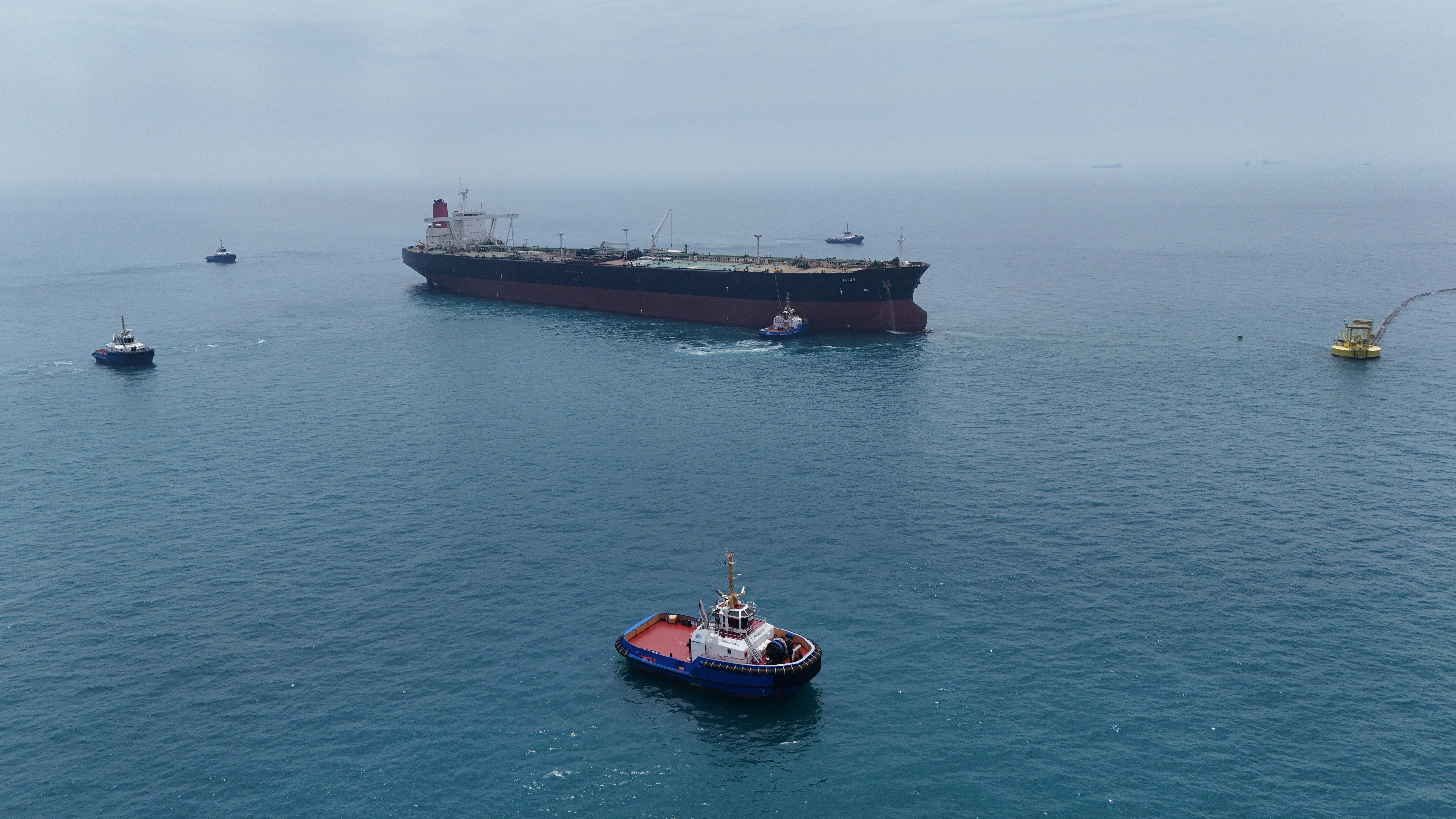
The Iran war has done more than squeeze oil and gas supplies, it has reset the market’s assumption that major energy shocks are rare. Three big crises have hit in just a few years, from the 2021 inflationary surge to Russia’s invasion of Ukraine and now the closure of the Strait of Hormuz, which helped disrupt about 20 percent of global oil and gas flows.
That matters because the old model, in which more global trade made supply safer and more efficient, is fraying fast. The U.S. has become a major exporter, with oil shipments rising more than 12-fold since 2000 to about 12 million barrels a day, while China’s import demand has pulled the system in a different direction and sanctions have pushed Russia, Iran and Venezuela into alternative networks, according to recent market reporting.
For consumers and companies, the immediate consequence is tighter fuel markets and a longer drag on gas prices. The IEA now expects the Iran war to keep the global natural gas market tight for two years, after damage to Qatar’s LNG infrastructure cut capacity by 17 percent and could leave as much as 120 billion cubic meters of LNG supply missing through 2030, while sectors from fertilizer to food are already feeling the strain. LNG supply losses also risk pushing some buyers toward coal or forcing them to lock in more costly contracts.
The next test comes next week in Colombia, where more than 50 governments, including the UK, the EU and major oil producers, are set to meet at the first international conference on the transition away from fossil fuels. That debate now sits in the shadow of a more awkward question: whether the crisis speeds up renewables and nuclear, as Fatih Birol argues, or simply encourages governments to chase more domestic drilling even as the world gets more vulnerable to the next chokepoint shock. Conference in Colombia