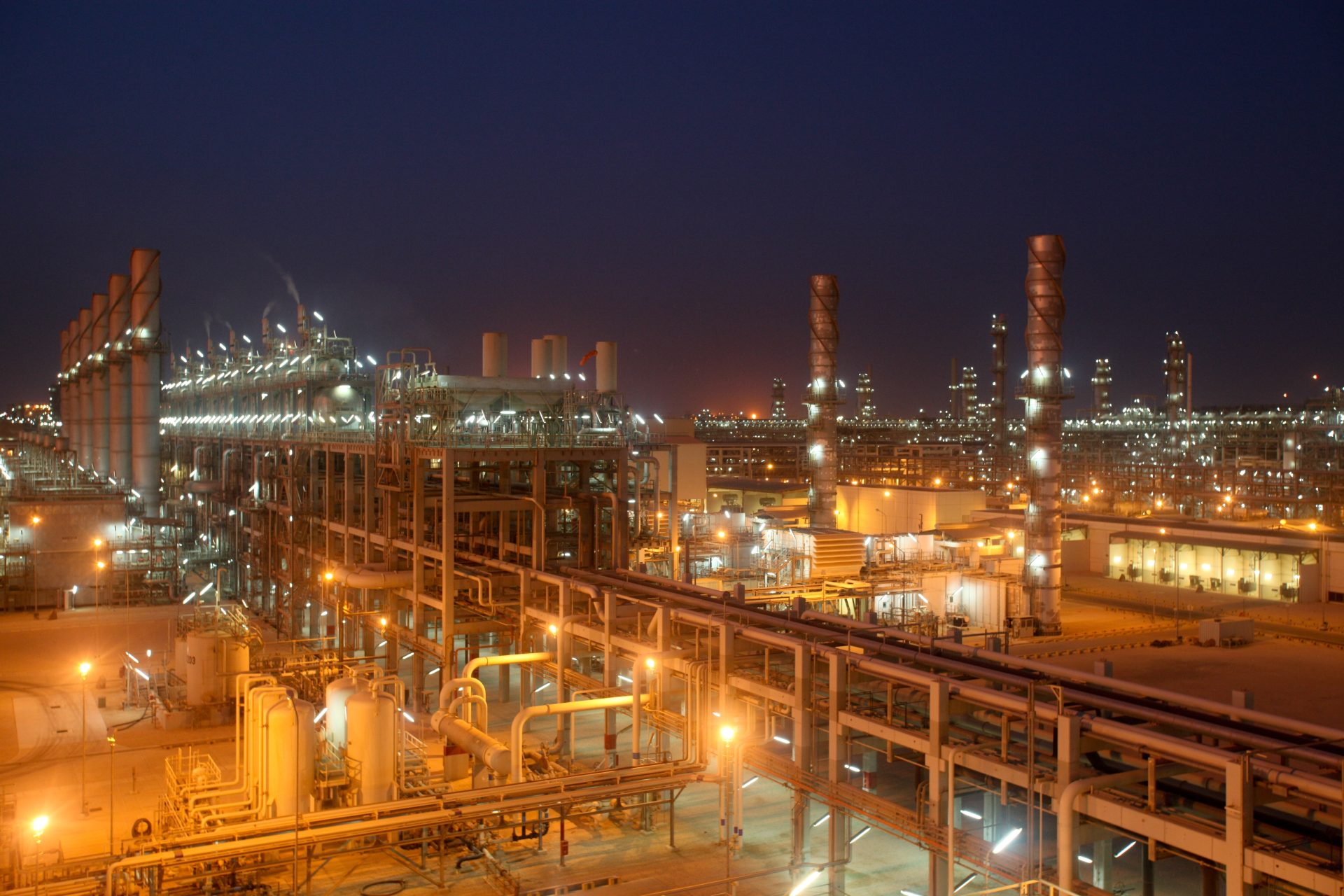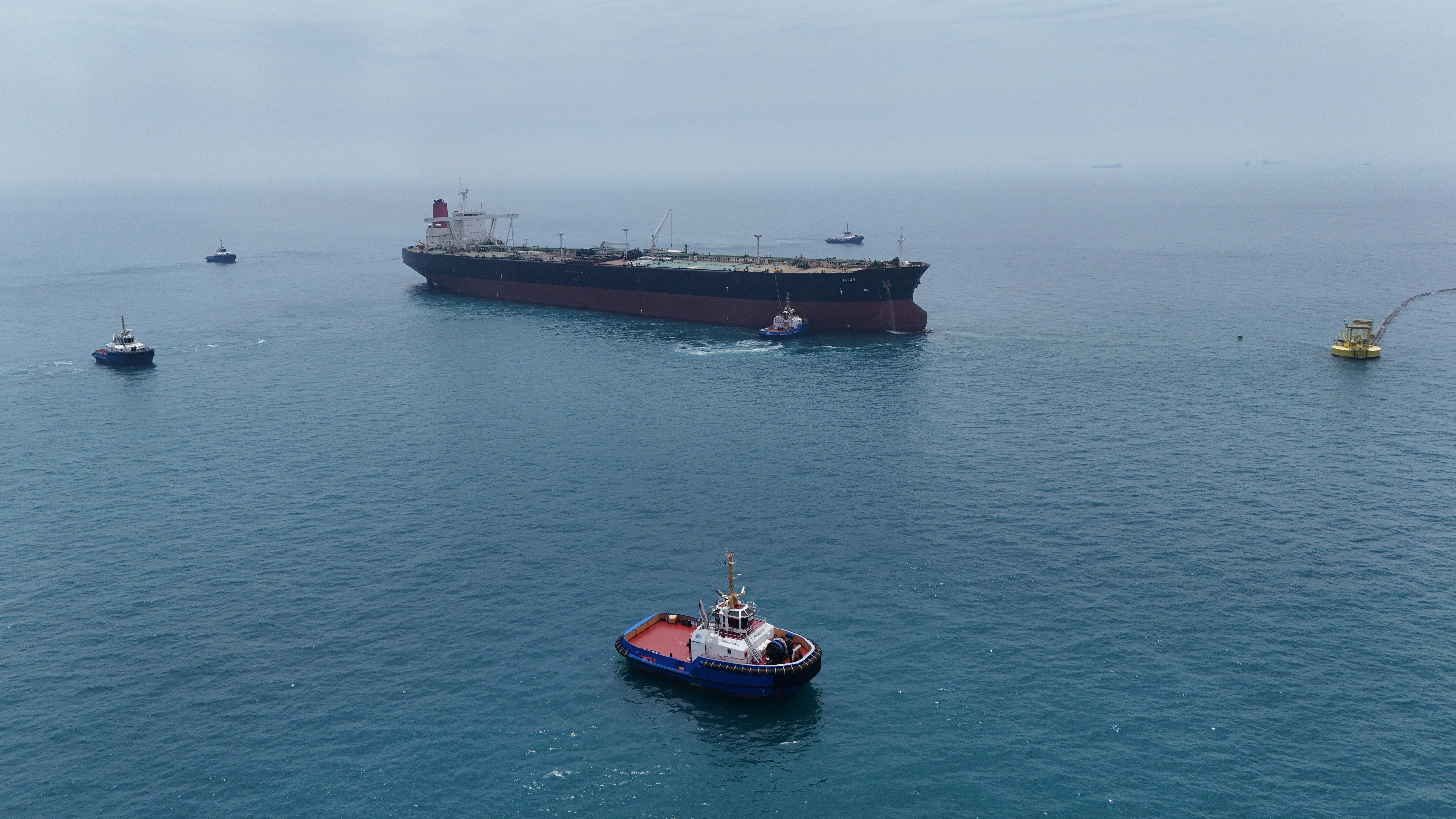
The United Arab Emirates said it will leave OPEC next month, a break that strips the cartel of one of its largest Gulf producers and underscores how much the group’s grip on supply has weakened. The decision comes as the Iran war has already shoved oil and gas prices higher, sharpening the pressure on producers and consumers alike.
Emirati officials have long argued that OPEC quotas held back their exports, and the government said it plans to accelerate investment in domestic energy production in line with its “long-term strategy and economic vision.” Before the war, the UAE was producing about 3.6 million barrels a day, roughly 12 percent of OPEC’s output, which helps explain why its exit lands as more than a symbolic protest.
That leaves the market facing a tighter physical setup even as paper prices gyrate lower on presidential reassurance. Crude has climbed above $100 a barrel on futures markets, gasoline prices in the U.S. are up more than $1 a gallon since the conflict began, and analysts quoted by energy experts warn that inventories in parts of Asia are already dropping fast while refineries cut runs because crude is harder to source.
The next test is whether the war opens the Strait of Hormuz soon enough to avert a deeper squeeze. Citi now sees a barrel at $110 in the second quarter and $95 in the third, but if the strait stays shut through June it projects $150, a range that would force producers, refiners and policymakers to confront a shortage the market has been assuming away.