The UAE said it will leave OPEC, a break from nearly six decades inside the oil cartel that immediately changes how Abu Dhabi can use its spare capacity. The government framed the decision as part of its “long-term strategic and economic vision” and said any additional barrels would come to market in a “gradual and measured manner,” aligned with demand.
The move follows years of friction over quotas. The UAE has pushed for a bigger production allowance as it invested in new capacity, while Saudi Arabia remained the group’s dominant force. Johns Hopkins economist Steve Hanke, who served on the UAE’s Financial Advisory Council from 2008 to 2014, told Fortune the logic was simple: if leaders think the real price of oil will decline over time, the incentive is to pump sooner rather than leave barrels underground.
- The UAE currently produces about 3 million to 3.2 million barrels a day, according to Times of India.
- Its production capacity is estimated at 4.2 million to 4.5 million barrels a day.
- Abu Dhabi plans to increase output to 5 million barrels a day by 2027.
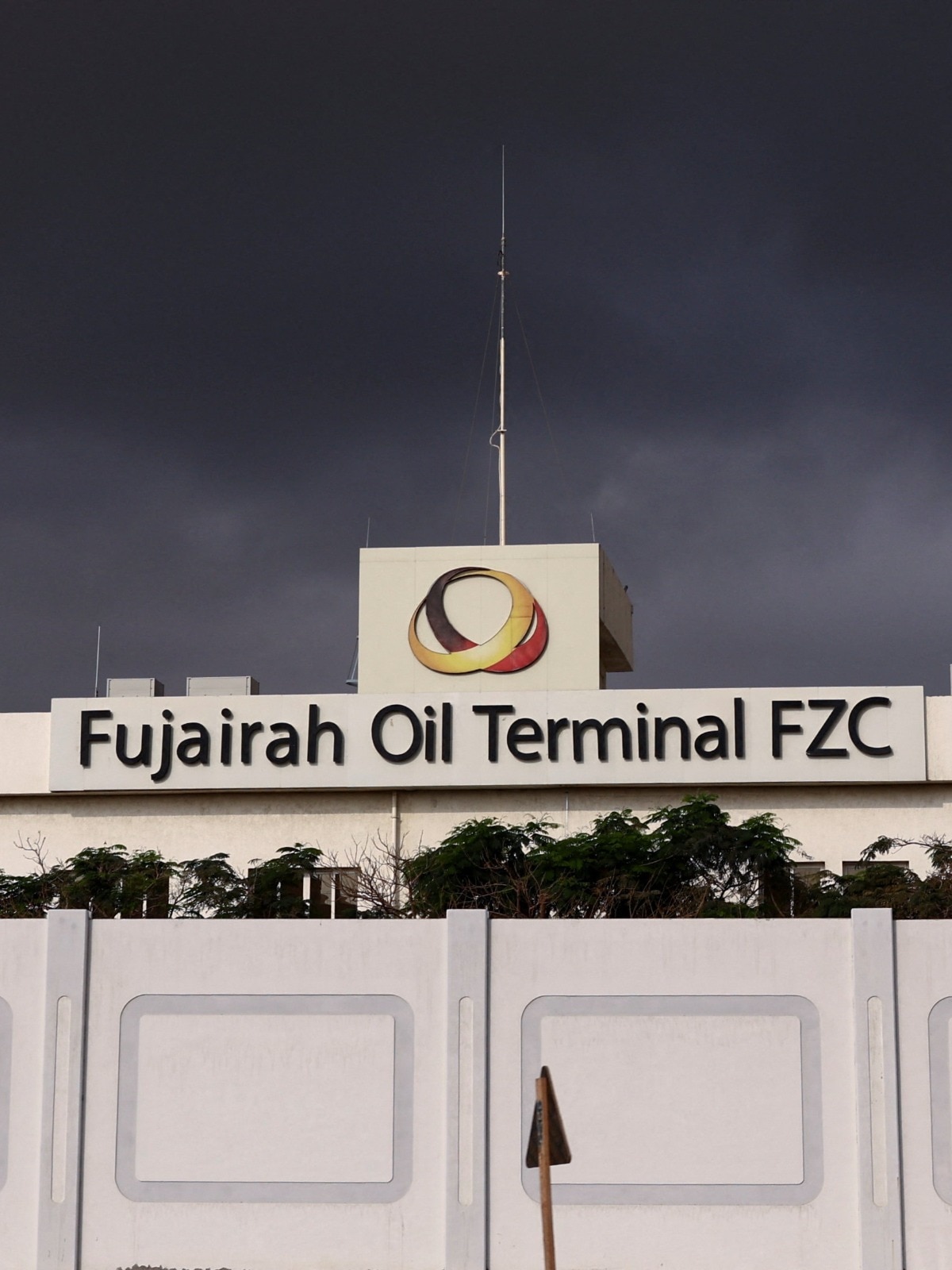
The Iran war sharpened that calculation. Fortune reported that Iran inflicted severe damage on at least five major UAE facilities, including fires at Ruwais, one of the world’s largest refineries, and a strike at the Port of Fujairah export hub. Hanke said the risk shifted from long-term price erosion to the possibility that the UAE “won’t be able to sell all, or can only sell much less,” if Iran controls the Strait of Hormuz or periodically damages infrastructure.
India is one likely buyer if the extra supply materializes. Officials told Times of India that the UAE’s exit may help New Delhi secure crude from a friendly, closer supplier at lower freight cost, with India importing nearly 90 percent of estimated daily crude consumption of 5.8 million barrels. Sujata Sharma, joint secretary in India’s petroleum ministry, said it was too early to comment on the impact.
Oil markets are already trading through war risk. Brent fell 10 percent to $90 a barrel after Iran’s foreign minister said the Strait of Hormuz was “completely open,” then later moved back above $100 after Iran attacked an Indian tanker and an American blockade trapped more oil in the Gulf. The concrete watch item is Abu Dhabi’s production path: whether it stays gradual, or moves faster toward that 5 million-barrel-a-day target by 2027.