The UAE’s break with OPEC is not just another quota fight. It turns a Gulf security crisis into a cartel crisis, giving Abu Dhabi room to pump more oil just as war with Iran has made future exports look less dependable. The country announced on April 28 that it would leave OPEC, ending nearly six decades inside the producers’ group, while saying any extra supply would arrive gradually and in line with demand.
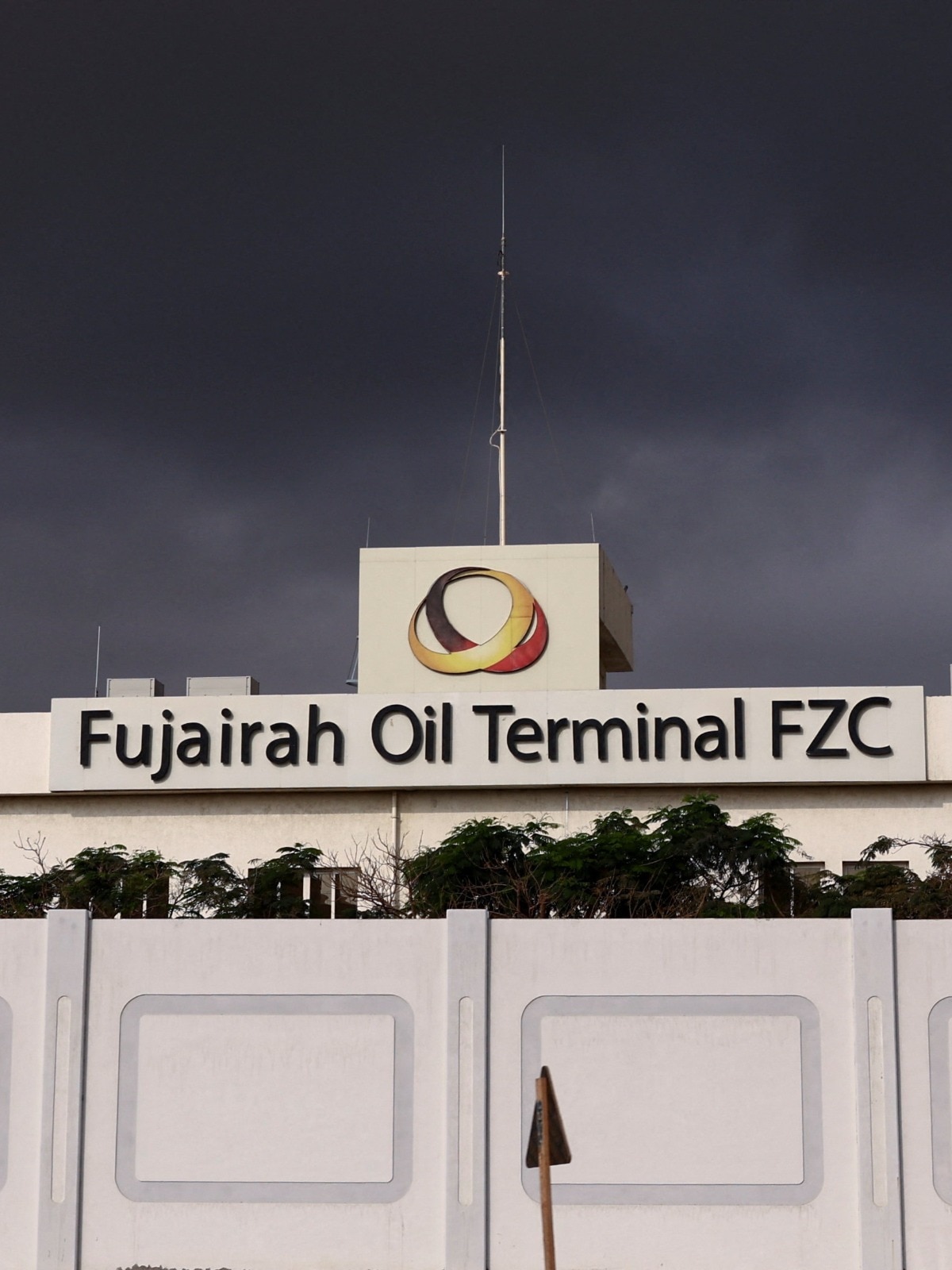
The mechanics are brutally simple: OPEC limits production to support prices, while the UAE has spent years building capacity it wants to use. Fortune cites Johns Hopkins economist Steve Hanke, a former adviser to the UAE, arguing that Abu Dhabi’s calculus shifted from waiting out the energy transition to selling sooner because Iran can threaten infrastructure and shipping routes. The reported attacks on UAE facilities, including Ruwais and the Port of Fujairah, raise the cost of leaving barrels underground. In Hanke’s phrase, the incentive became to “tilt oil production” toward the present.
For buyers, especially in Asia, the exit could loosen a supply knot at an awkward moment. India imports nearly 90 percent of its crude needs, and Indian officials told the Times of India that higher UAE output could open the door to longer-term supply deals, lower freight costs, and possible price negotiations with a nearby strategic partner. The UAE currently produces about 3 million to 3.2 million barrels a day and plans to lift capacity toward 5 million barrels a day by 2027.
The complication is that more barrels on paper do not guarantee calmer markets. The Economist reported that Brent crude had already swung hard around Strait of Hormuz headlines, falling to $90 a barrel after Iran called the waterway open, then climbing back above $100 after renewed attacks and disruptions. If the UAE adds supply while Gulf routes remain vulnerable, oil traders get two opposing forces at once: a potential production boost and a bigger geopolitical risk premium. OPEC loses a major producer; importers gain a possible alternative channel; the market still has to price the war.


