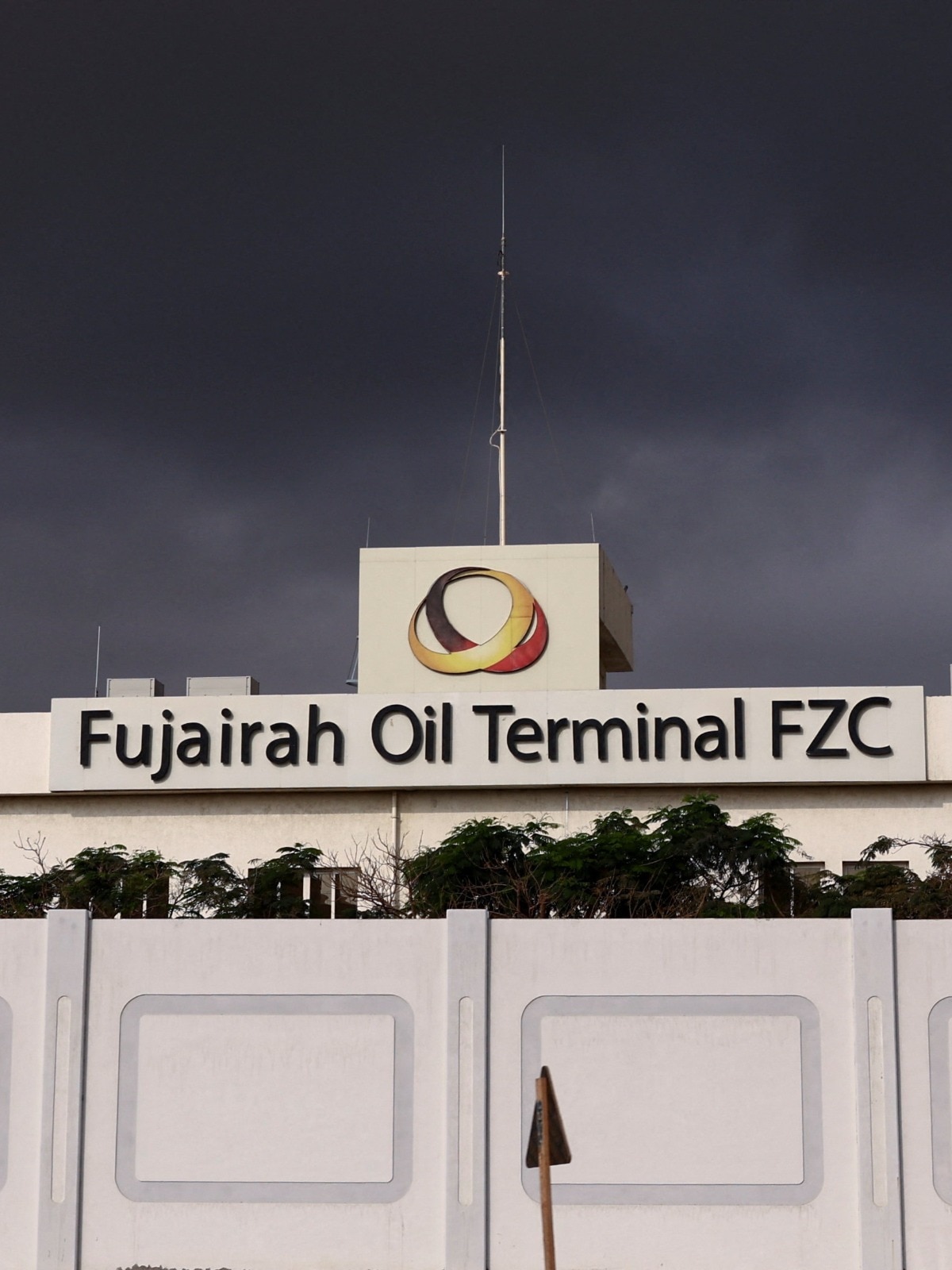
The UAE said April 28 it would leave OPEC, a rupture that ends nearly six decades inside the producer group and frees Abu Dhabi to push more barrels into a market already strained by war around the Gulf. Its statement said the country would bring additional production to market in a “gradual and measured manner,” while confirming it wants to lift output beyond OPEC limits.
Abu Dhabi has wanted more room for years. Fortune reported that the UAE began pressing around 2021 for a much higher OPEC share, seeking to raise its limit by roughly 50 percent toward about 5 million barrels a day, as it invested heavily in new oil capacity and in lower-carbon projects such as solar, sustainable aviation fuel and low-emission hydrogen. Johns Hopkins economist Steve Hanke, who served on the UAE’s Financial Advisory Council from 2008 to 2014, put the strategy bluntly: if future real oil prices look weaker, ramp up fast.
The Iran war made that calculation more urgent. The Economist reported that Brent fell 10 percent to $90 a barrel on April 17 after Iran’s foreign minister said the Strait of Hormuz was “completely open,” then rose just 5 percent the next trading day after Iran attacked an Indian tanker. Prices later moved back above $100, still about $15 below the late-March high, even as an American blockade trapped more oil in the Gulf.
- The UAE is OPEC’s third-largest producer after Saudi Arabia and Iraq, contributing nearly 13 percent of the group’s total production.
- Its capacity is estimated at 4.2 million to 4.5 million barrels a day, while current output is about 3 million to 3.2 million barrels a day.
- Abu Dhabi plans to increase output to 5 million barrels a day by 2027.
India is the obvious buyer to watch. Officials told the Times of India that the UAE’s exit could give New Delhi room to negotiate a long-term crude agreement with a friendly, closer supplier, potentially lowering freight costs and the import bill. India imports nearly 90 percent of its estimated 5.8 million barrels a day of crude consumption, though petroleum ministry official Sujata Sharma said it was too early to comment on the impact.