
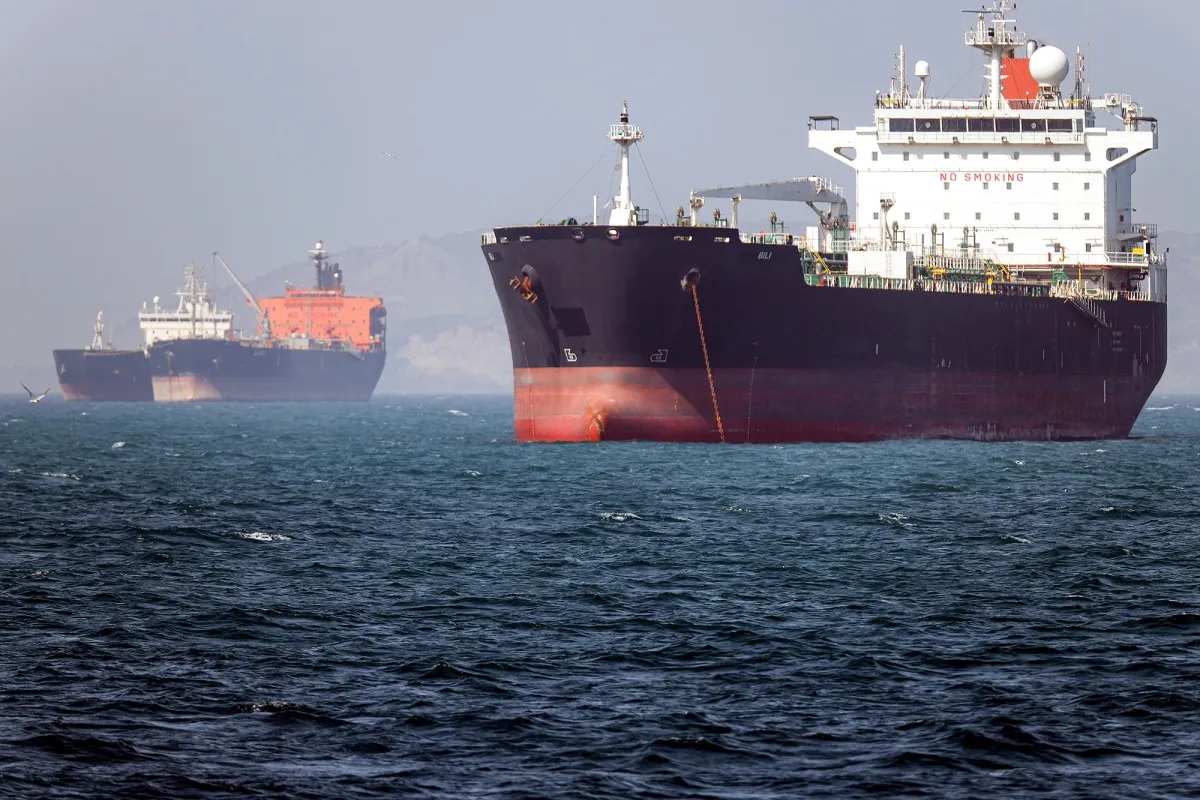
Oil prices gained more than 3% on Friday to close at $109.26 a barrel as the Strait of Hormuz remains largely closed following the U.S. and Israeli war on Iran. Despite an Iran ceasefire, military blockades and ship attacks continue to disrupt tanker traffic, while a recent diplomatic trip to China failed to produce a breakthrough to reopen the critical waterway.
Shrinking global buffers
The International Energy Agency warned that the world is drawing down oil inventories at a record pace, with 164 million barrels already released by governments and industry. While record releases from strategic reserves and high supplies at sea initially buffered the market, those levels are nearing a tipping point.
- JPMorgan predicted commercial oil inventories in the developed world could approach operational stress levels by early June.
- Saudi Aramco stated that global stocks of gasoline and jet fuel may reach critically low levels ahead of the summer travel season.
- Analysts at UBS warned that buffers are largely exhausted, creating a high risk of panic buying if physical supply dislocations intensify.
- Roughly 1 billion barrels of oil have been lost during the conflict, dwarfing the IEA's total planned release of 400 million barrels.
A non-linear price risk
The price outlook. Capital Economics estimated that if inventory depletion rates remain steady, Brent crude could top $130 to $140 a barrel next month. This would represent a "non-linear" adjustment—a parabolic spike rather than a steady climb—as stocks reach the minimum volumes required to maintain pressure within storage systems.
Economic consequences are already surfacing as some Asian nations impose rationing measures to curb demand. If the Strait of Hormuz remains effectively closed through the end of June, the industry faces an all-time nominal peak in prices and more disorderly cuts to global oil demand.

