Oil prices climbed Monday in Asia after Iran fired missiles at Israel. The barrage marks the first time Iran has launched a direct strike on the country since the involved nations and the US agreed to a fragile ceasefire in April.
The global benchmark Brent crude jumped 2.6% to $95.50 a barrel following the weekend developments. West Texas Intermediate, the US-traded crude, rose 2.5% to $92.75. Prices have hovered around the $95 mark over the past week as traders weigh the conflict's impact on global energy flows.
Regional supply threats
The renewed conflict places immediate pressure on global shipping routes and energy infrastructure, escalating across two distinct areas:
- Iran's Islamic Revolutionary Guard Corps warned that the recent missile launches are the beginning of a full week of strikes.
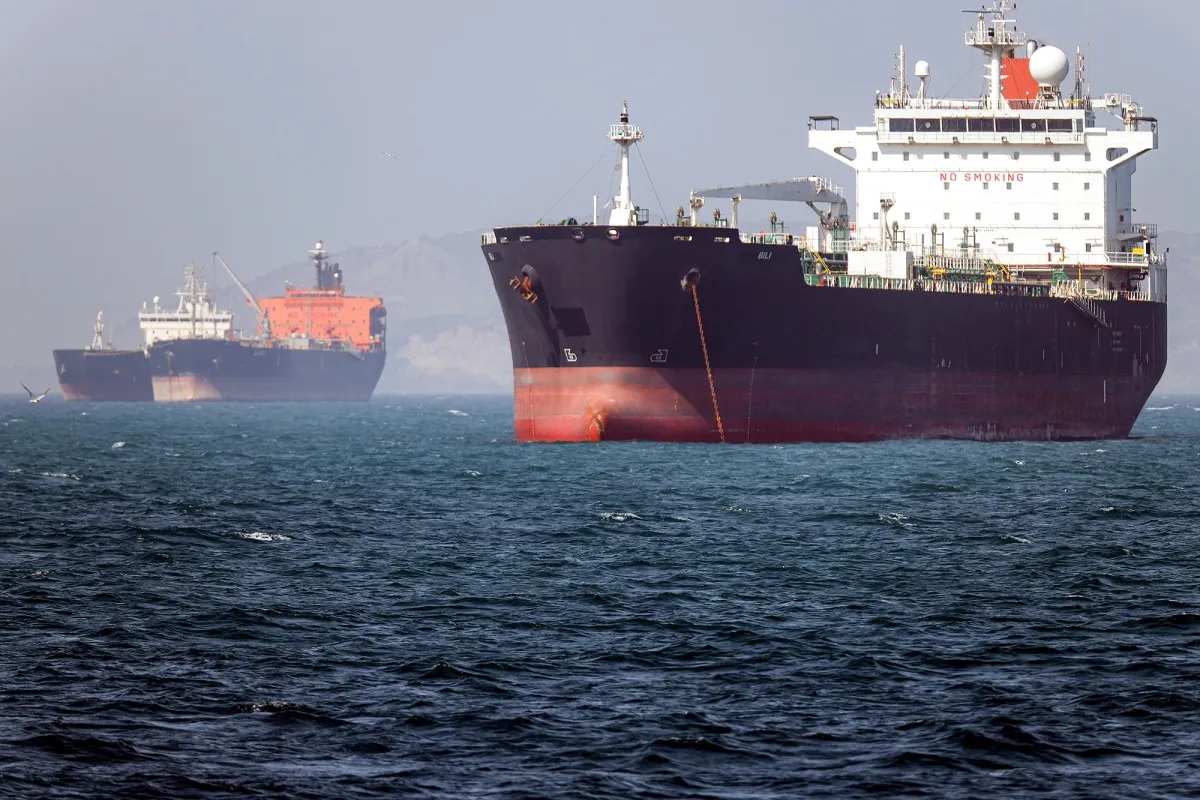
- Iran has threatened to target vessels attempting to cross the Strait of Hormuz, disrupting the flow of oil and gas shipments from the Gulf.
US President Donald Trump told Axios that he plans to call Israeli Prime Minister Benjamin Netanyahu to urge him not to retaliate. Trump noted that the US is close to finalizing a deal with Iran and wants to avoid having the diplomatic agreement collapse over the current exchange of fire.
Despite the request, the Israeli military stated it will strike the enemy as soon as an order is given. The ceasefire agreement has been in force since April 17, following US and Israeli strikes on Iran in late February. The agreement has faced repeated violations from both Israel and Iran.