The U.S. labor market came in hotter than expected in May, and for most borrowers, that's a mixed blessing. Private employers added 122,000 jobs last month, topping the 110,000 economists had forecast and marking the strongest month of hiring since January 2025, according to ADP's monthly report.
Why This Hiring Report Stands Out
What made May unusual wasn't just the headline number — it was how widely the gains spread. Eight of ADP's ten tracked sectors added workers, and companies of every size were hiring. Education and health services led with 57,000 new jobs, but trade, transportation, and utilities followed with 36,000, and leisure, hospitality, and professional services all contributed. "Hiring was more broad-based in May than we've seen in the last few years," said Nela Richardson, ADP's chief economist.
That breadth matters because it suggests employers across the economy feel confident enough to keep adding staff, not just in a handful of resilient industries.
What It Means for Interest Rates
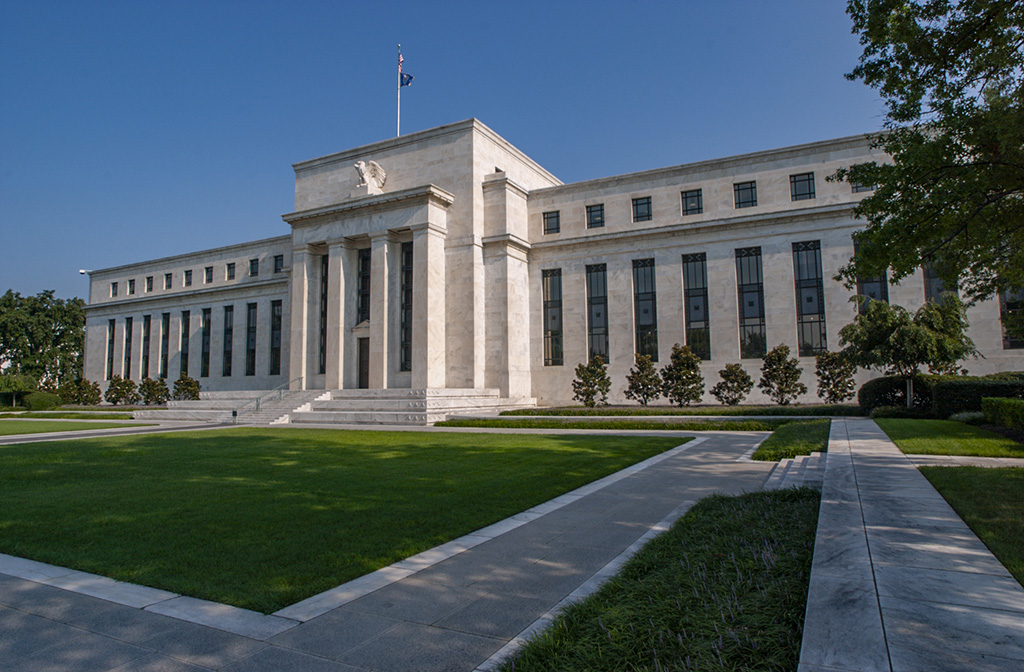
A healthy jobs market gives the Federal Reserve less reason to cut rates, and right now the Fed already has plenty of reasons to hold. The Fed's own Beige Book survey, released the same day, found that energy-related costs from the Middle East conflict were the "primary driver of inflationary pressures," with ripple effects into shipping, groceries, and fertilizer. Inflation by the Fed's preferred measure hit 3.8% in April, well above its 2% target.
New Fed Chair Kevin Warsh, who replaced Jerome Powell in late May, has signaled a slower path for rate cuts. Solid hiring and sticky inflation make that stance easier to defend heading into the June 16–17 policy meeting, where futures markets price a hold as near-certain.
For anyone carrying variable-rate debt, the practical consequence is straightforward: the prime rate at 6.75% — which sets the floor for credit cards, home equity lines, and many personal loans — isn't moving lower this month. Fixed mortgage rates, which track the 10-year Treasury rather than the Fed directly, also have little room to fall while inflation runs this hot. The next big data point is the government's official May jobs report on June 5, which is what the Fed actually weighs when it meets.