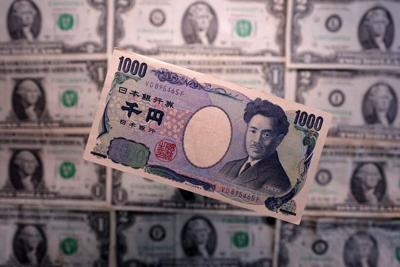
Japan's economy expanded faster than forecast in the first quarter, but growth soured as the Iran war kicked in. GDP rose 2.1% on an annualized basis, beating the 1.7% estimate. That strength came from consumer spending and exports, especially semiconductor equipment shipments that jumped 29.3%.
The problem is timing. These first-quarter numbers do not yet capture the full damage from the Middle East conflict that began in late February. The Bank of Japan has already cut its full-year growth forecast to 0.5% from 1% and raised its core inflation outlook to 2.8% from 1.9%. Oil prices above $100 a barrel are now squeezing corporate profits and household incomes.
Energy costs bite harder
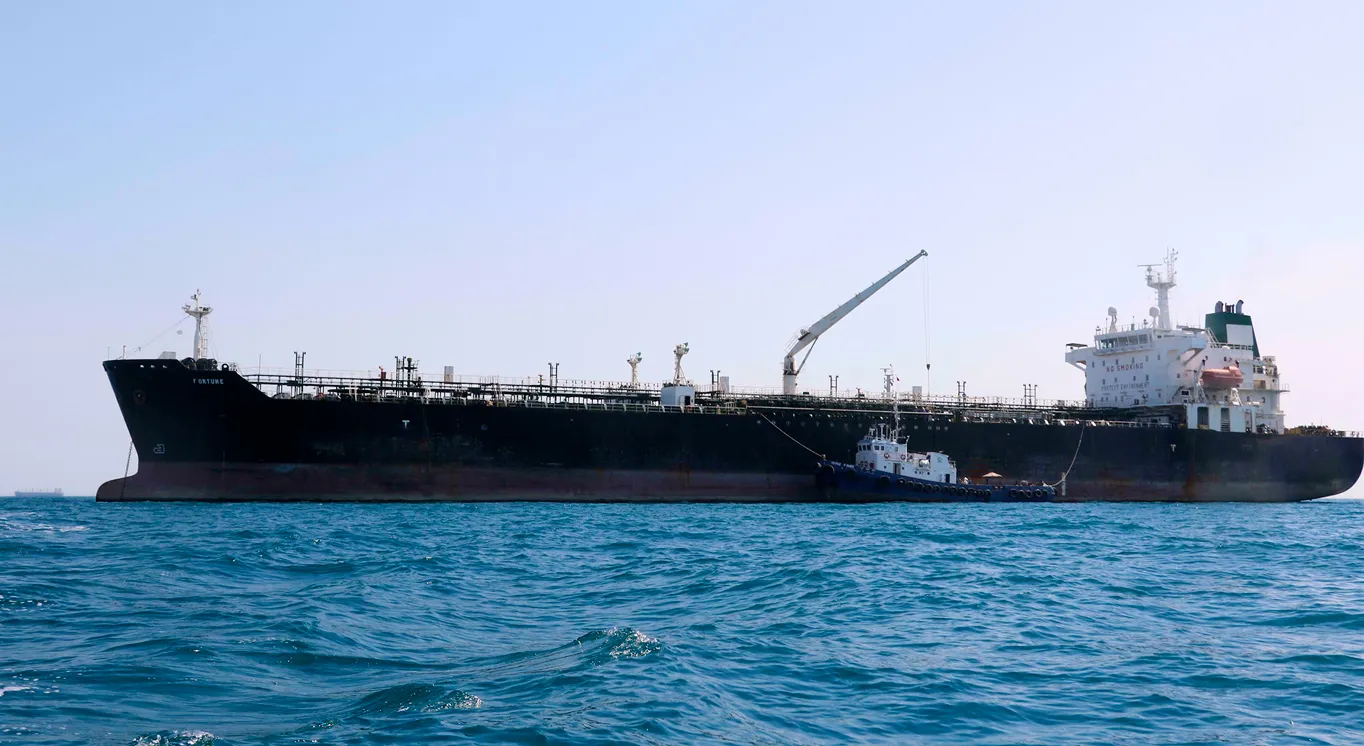
Japan imports nearly all its oil. The Strait of Hormuz, which normally funnels crude to Asia, is effectively closed by the war. Benchmark Brent crude has stayed above $100 a barrel, up sharply from $70 before the conflict started. Inflation accelerated in March for the first time in five months, driven by energy and goods prices.
Tokyo is likely to issue fresh debt for an extra budget to subsidize energy bills and cushion the blow. The central bank warned that Japan's growth will decelerate as high oil prices crimp spending and investment. Oxford Economics' lead Japan economist said the first-quarter gain is "already in the rear-view mirror" and the economy will feel the strains from energy costs ahead.
The Nikkei 225 fell 0.64% on the data release. The question now is whether subsidies and export strength can offset the drag from sustained high oil prices through the rest of 2026.