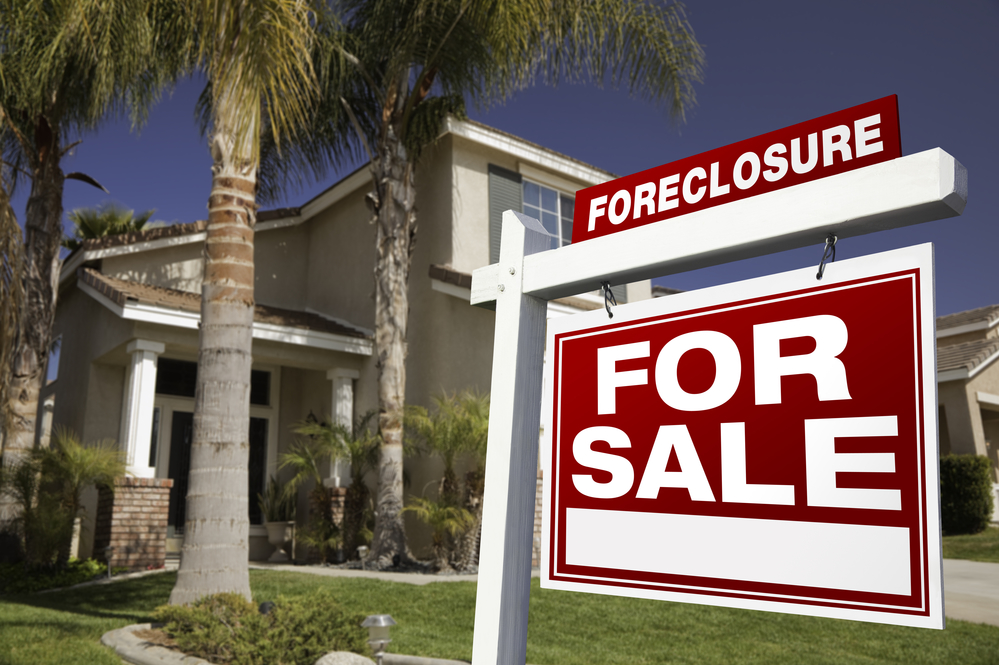
The Federal Housing Administration is tightening its loss mitigation rules, a shift that could push 250,000 borrowers into foreclosures or forced sales over the next 18 months. New restrictions imposed in October limit borrowers to just one loan modification every two years and require three consecutive payments to qualify for assistance. This replaces a Biden-era policy that allowed repeated claims for up to 30% of a mortgage balance.
The volume. Foreclosure activity is already accelerating across the country. Nationwide filings rose 28% in March compared to the previous year, while 118,727 properties entered foreclosure during the first quarter of 2026. This represents a 26% increase from 2025 and the highest level since 2020. FHA borrowers, who often include first-time and lower-income buyers, are particularly vulnerable; roughly 11.6% of these borrowers are currently delinquent.
Regional disparities
The impact of these defaults is splitting the housing market along regional lines. In high-appreciation areas, many distressed owners have enough equity to sell and clear their debts voluntarily. However, weaker markets are seeing foreclosures undercut local prices. In Lee County, Florida, one foreclosed home recently returned to the market at $270,000—more than $100,000 below comparable sales in the neighborhood.
- Indiana, South Carolina, and Florida currently hold the highest state-level foreclosure rates.
- Lakeland and Punta Gorda, Florida, lead the nation for cities with over 200,000 residents.
- Mortgage rates have remained above 6% since late 2022, compounding the strain on household budgets.
While current levels remain below 2019 benchmarks, industry analysts expect the trend to exceed pre-pandemic norms as a five-year backlog of protected cases clears. Servicers estimate that up to half of seriously delinquent FHA borrowers may fail to meet the new three-payment threshold required to avoid losing their homes.