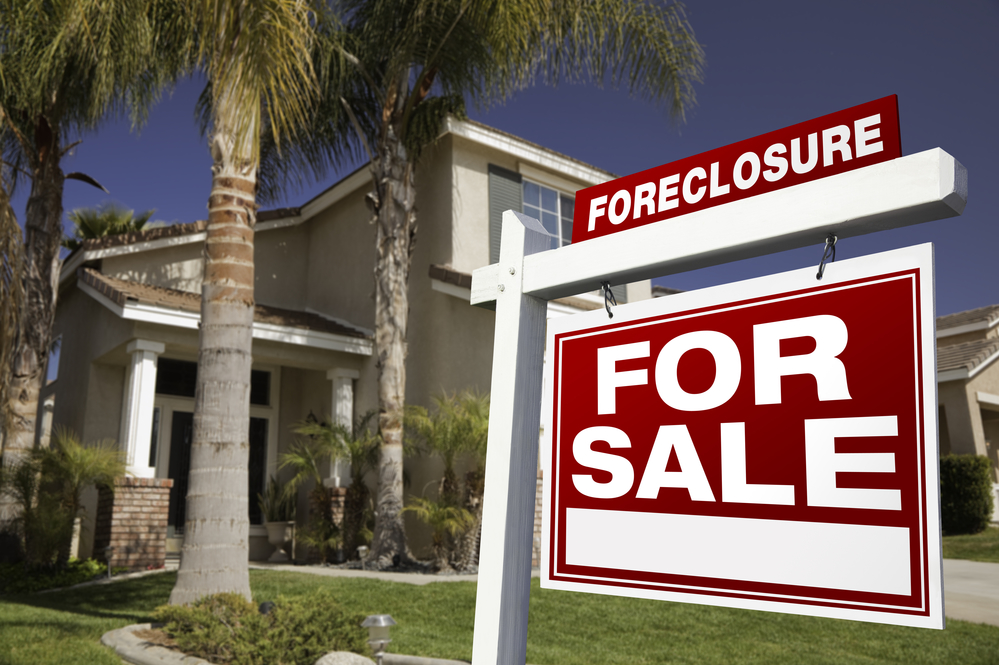
U.S. foreclosure rates reached six-year highs in early 2026 as pandemic-era protections expired and new federal restrictions limited relief for struggling borrowers. Nationwide, 118,727 properties were in foreclosure during the first quarter, a 26% increase from last year. While total figures remain below 2019 levels for now, foreclosure starts jumped 20% year-over-year, signaling a clearing of the long-term backlog of delinquent loans.
Pressure on the South
The rise in distressed properties is concentrated in Southern cities with populations over 200,000. Florida and South Carolina are seeing the sharpest impacts as rising costs collide with high interest rates. Markets are seeing a varied response to these forced sales:
- Lakeland and Punta Gorda, Florida, recorded the highest foreclosure rates in the country.
- Indiana leads all states with 1 in every 739 homes in some stage of foreclosure.
- A Lee County, Florida home recently sold via foreclosure for $270,000, which is more than $100,000 below comparable local sales.
Strict new rules. The Trump administration’s October policy shift narrowed the safety net for Federal Housing Administration (FHA) borrowers. Homeowners can now only receive one loan modification every two years and must make three consecutive payments before qualifying for help. This replaced a Biden-era program that permitted repeated claims totaling up to 30% of a mortgage balance without interest.
The impact of these tighter rules is hitting first-time and lower-income buyers particularly hard, as FHA loans account for one-tenth of all outstanding mortgages. In March, 11.6% of FHA borrowers tracked in Ginnie Mae securities were delinquent. Loan servicers estimate that up to half of these seriously delinquent borrowers will fail to meet the new three-payment threshold required for assistance.
Roughly 250,000 people are projected to lose their homes through foreclosure or voluntary sales over the next 12 to 18 months.