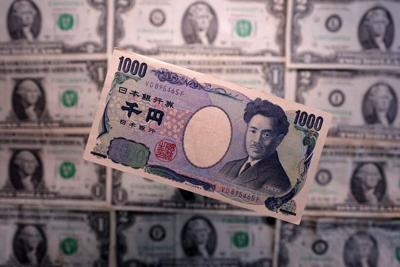
The U.S. bond market is flashing a warning as the war with Iran and a closed Strait of Hormuz drive energy-related inflation fears. Long-term government debt sold off last week, pushing the 10-year Treasury yield near 4.6% and the 30-year bond above 5%. These levels, the highest in nearly a year, reflect a growing consensus that inflation is becoming structurally embedded in the economy.
Oil supply shocks
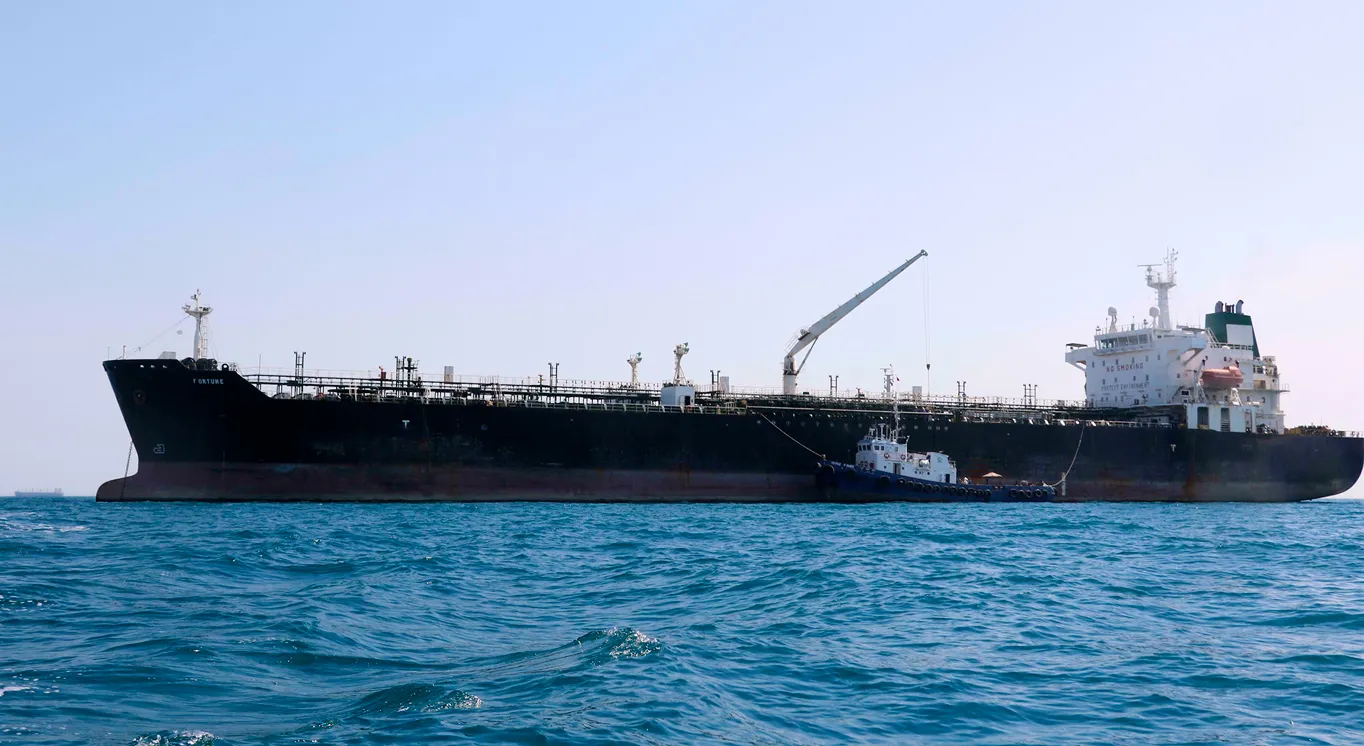
Crude oil prices rose nearly 2% to above $107 a barrel late Sunday following social media posts from President Trump warning Iran that "the Clock is Ticking." The geopolitical tension has created a critical supply-side bottleneck in the Strait of Hormuz, with some estimates suggesting the global market is missing as much as 100 million barrels a week. Experts note that domestic production in the Permian Basin can only offset a tiny fraction of this shortfall.
Market resilience. Despite these pressures, the S&P 500 and Nasdaq reached fresh all-time highs on Thursday before retreating slightly. This "Taco" mindset—the belief that Trump Always Chickens Out on extreme policies—has kept equity investors optimistic even as annual inflation surged to 3.8% in April. However, the widening gap between surging bond yields and high equity valuations is creating what some analysts describe as an unprepared market paradox.
Concentration and earnings
The upcoming earnings calendar will test whether corporate profits can continue to overshadow macroeconomic risks. Publicly traded companies are on track for first-quarter profits roughly 28% higher than a year ago, led primarily by the artificial intelligence sector.
- Nvidia reports Q1 results late Wednesday, with analysts expecting revenue growth to accelerate to 73%.
- Walmart earnings arrive Thursday morning, serving as a key indicator for consumer health in a "K-shaped" economy.
- South Korea's Kospi fell 6% on Friday as Samsung Electronics faced a planned 18-day strike by 45,000 workers.
Global crude oil stockpiles are currently being drawn down at a record pace, leading Goldman Sachs to predict severe shortages starting June 1.