Brent crude moved back above $109 a barrel Wednesday, pulling the bond market into the Iran war trade and pushing borrowing costs higher across the economy. The 10-year Treasury yield reached 4.39 percent, up from below 4 percent in early March, as investors weighed tighter oil supply, higher inflation and a Federal Reserve that is not expected to cut rates at its meeting.
The move is already showing up in housing. The average 30-year fixed mortgage rate rose seven basis points to 6.45 percent, according to Mortgage News Daily, the highest level since April 3. Mortgage rates loosely track the 10-year Treasury, so the oil-driven selloff in bonds is feeding quickly into monthly payment math for buyers.
- Crude supplies from the Persian Gulf remain a central concern for bond investors, with analysts focused on whether the Strait of Hormuz reopens fully to tanker and shipping traffic.
- Purchase applications still rose 1 percent last week and 21 percent from a year earlier, according to the Mortgage Bankers Association.
- Inflation pressures from tariffs and the war have moved the annual rate closer to 3 percent than the Fed’s 2 percent target.
Stocks have been more willing than bonds to look through the conflict. MarketWatch reported that the S&P 500 and Nasdaq pushed further into record territory in April before the rally paused this week, helped by optimism that President Trump could find an off-ramp that lowers oil prices and keeps inflation contained. Fixed-income investors sound less relaxed. “The bond market is taking a big signal from the oil market, and it’s not sending a good signal,” NISA Investment Advisors chief economist Stephen Douglass said.
Homebuyers are caught in the middle. CNBC reported that higher rates since the start of the war had kept some buyers sidelined, but more supply is coming onto the market and prices in some areas are starting to ease. Brokerages have also reported higher buyer traffic, suggesting some households are adjusting to expensive financing rather than waiting for a quick return to lower rates.
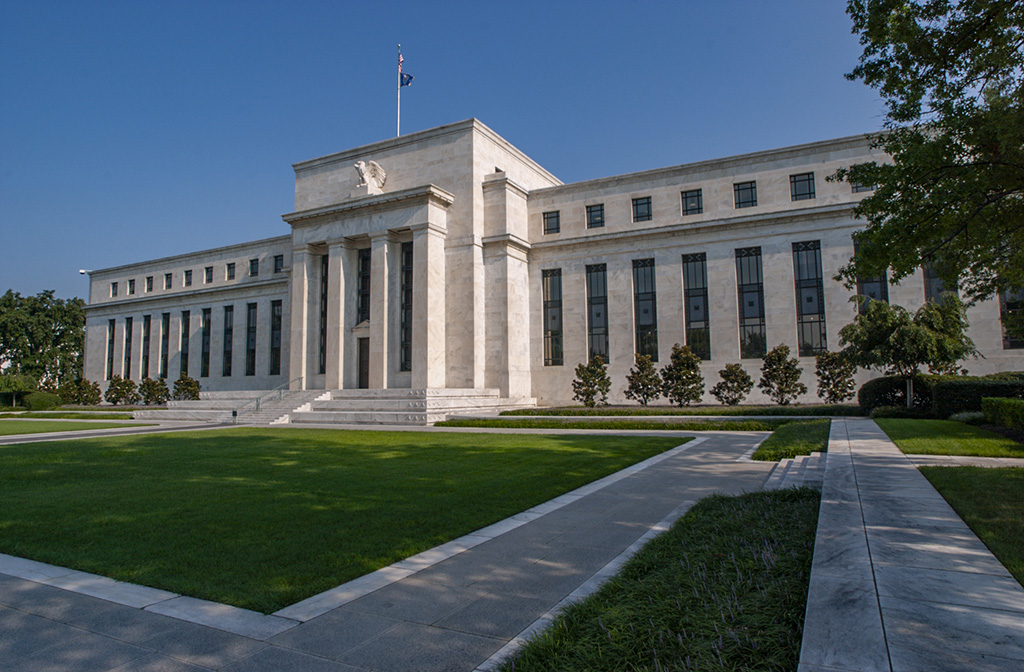
The immediate focus is Powell’s final Fed press conference and the path of oil from here. The Fed is expected to hold rates steady Wednesday, while bond investors are watching whether crude stays above $100 long enough to keep inflation fears alive, pressure consumer spending and hold mortgage rates near recent highs.