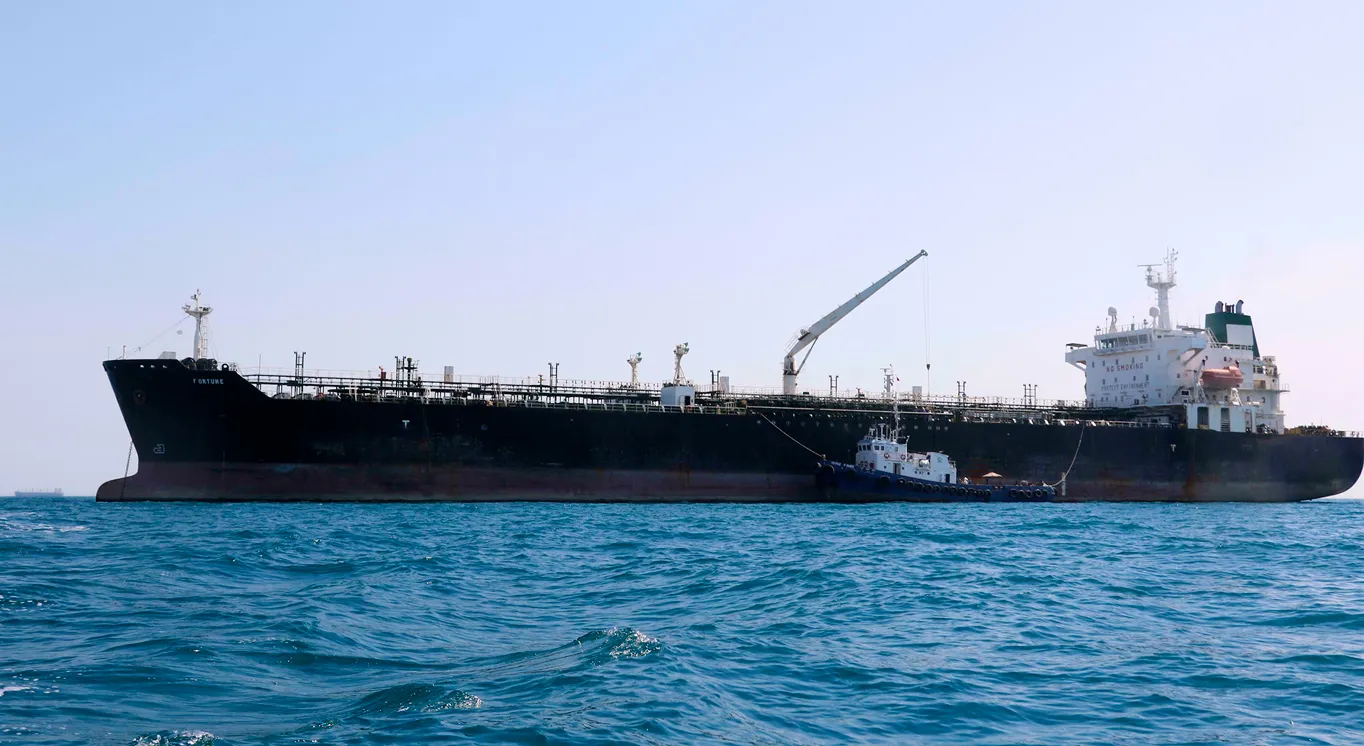
Benchmark yields jumped on Friday as the bond market priced in a new phase of energy-driven inflation. The 10-year Treasury note climbed nearly 24 basis points over the past week to finish near 4.6%, while the 30-year Treasury bond crossed the 5% threshold. These moves come as the war with Iran continues and oil prices remain stuck above $100 a barrel, threatening to keep consumer borrowing costs high for mortgages and credit cards.
Inflation and the Fed
The spike in yields coincides with a structural break in the U.S. economy driven by repeated supply shocks. Annual inflation surged to 3.8% in April, up from 2.4% in February, as the closure of the Strait of Hormuz continues to choke global energy and shipping lanes. While the Senate recently confirmed Kevin Warsh as the next Federal Reserve chair, economists like PGIM’s Daleep Singh argue the central bank should not be cutting rates in this environment.
- Energy pressure. Texas oil producers in the Permian Basin report they can only add about 250,000 barrels per day to global supply, leaving a lingering risk premium on Brent crude.
- Producer prices. Costs at the factory level saw their largest gain in four years this April.
- K-shaped consumption. New York Fed data shows lower-income Americans are cutting gas usage, while high-income spending remains unchanged.
Earnings vs. yields
Despite rising yields, equity markets have remained resilient due to a massive wave of capital expenditure in artificial intelligence. The S&P 500 is up more than 17% from its March lows, supported by first-quarter corporate profits that are on track to be 28% higher than last year. However, analysts warn that equity valuations—currently at 21.3 times forward earnings—have not yet fully accounted for the prospect of a prolonged shutdown in the Persian Gulf.
The market’s AI-driven momentum faces its primary test on Wednesday when Nvidia reports first-quarter results. While the company recently doubled sales projections for its new chip architectures to $1 trillion, its shares have previously struggled to sustain gains even after beating expectations. If the Strait of Hormuz remains closed for months rather than weeks, the resulting "inflation regime" may finally force equities to align with the rising yields seen in the bond market.