
A global shift in artificial intelligence investment is reshaping emerging markets, lifting tech-heavy economies while penalizing those tied to traditional IT services. The MSCI Emerging Markets Index rose 22.2% in 2026 through mid-May, fueled by a pivot toward companies that enable AI "inference"—the process of generating answers to user queries.
The silicon winners
Taiwan and South Korea have become the dominant forces in emerging market benchmarks, with their tech-heavy indices rising 42% and 78% this year, respectively. This rally is driven by a handful of semiconductor giants that now serve as the primary engines for global AI infrastructure:
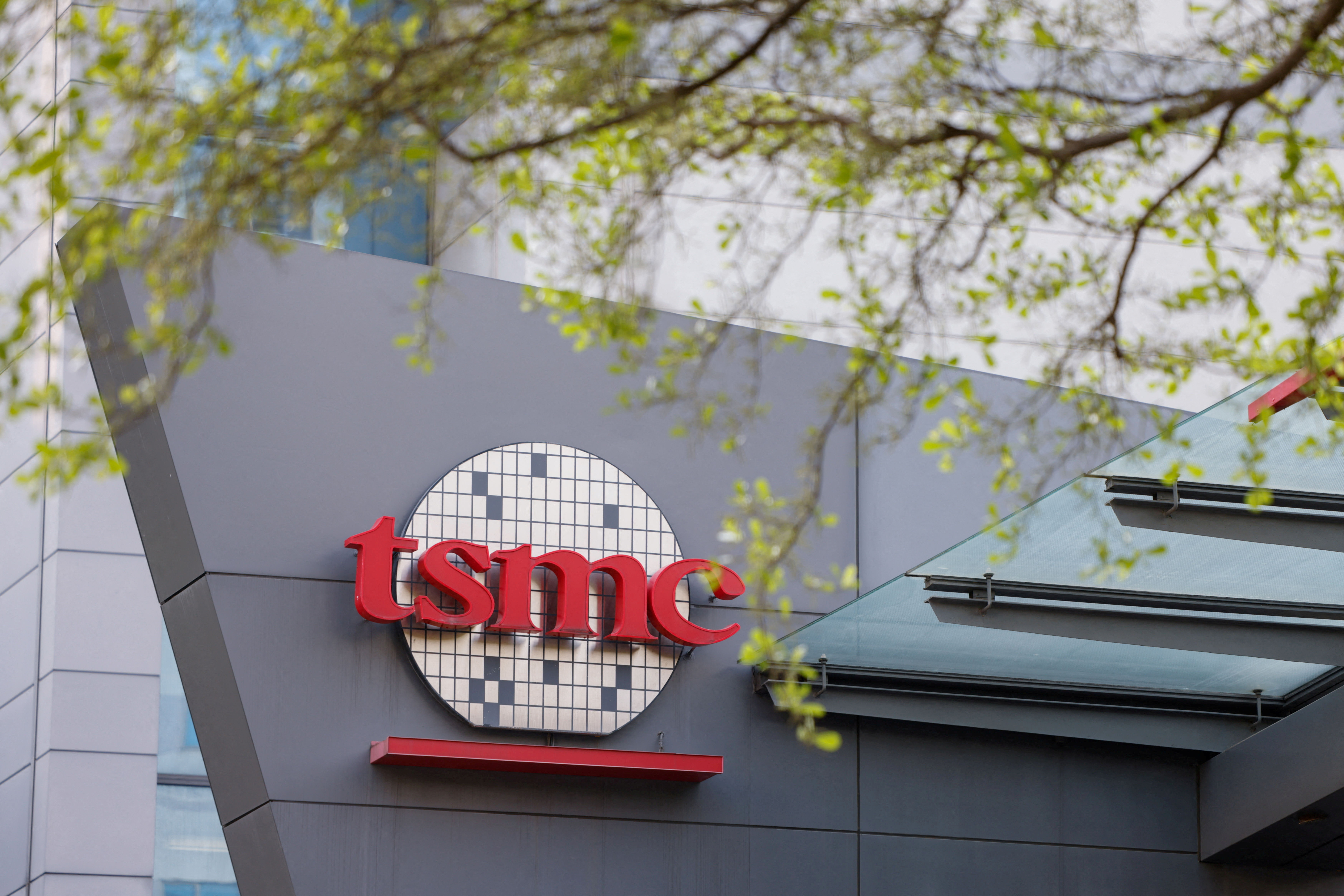
- Taiwan Semiconductor Manufacturing Company (TSMC) produces high-end chips for firms including Nvidia and remains a critical component of the Philadelphia Semiconductor Index.
- South Korea’s Samsung Electronics and SK Hynix have seen their valuations swell as the largest components of the MSCI Emerging Markets Index.
- Intel has emerged as an unlikely leader in 2026, with its shares soaring 114% in April alone as the market rewards hardware capable of running AI models.
India's structural retreat
Missing the boom. India is on the verge of falling out of the world’s five largest stock markets as investors exit themes the country lacks, such as chip manufacturing and AI compute power. Foreign investors have withdrawn a net $42 billion since the end of 2024, pushing their ownership of Indian equities to a 14-year low. India’s weight in the MSCI emerging markets index has dropped to 12%, down from 19% last year.
The downturn is hitting India’s $315 billion IT services industry, which analysts warn is vulnerable to generative AI tools that automate coding and testing. The NSE Nifty IT Index has dropped more than 26% this year, reflecting a broader pivot away from old-economy services. While South Korean and Taiwanese markets are now within $500 billion of overtaking India in total equity value, the Indian rupee has simultaneously hit a record low against the dollar.
Market attention now shifts to the International Monetary Fund's growth forecast, which sees India's GDP expansion moderating to 6.5% in 2027.


