Benchmark yields jumped as persistent energy costs and the ongoing war with Iran fueled a sell-off in long-term government debt. The 10-year Treasury note rose nearly 24 basis points last week to end near 4.6%, while the 30-year Treasury bond broke above 5%. These moves come as market experts warn that inflation may be becoming structurally embedded in the economy.
Oil supply bottleneck
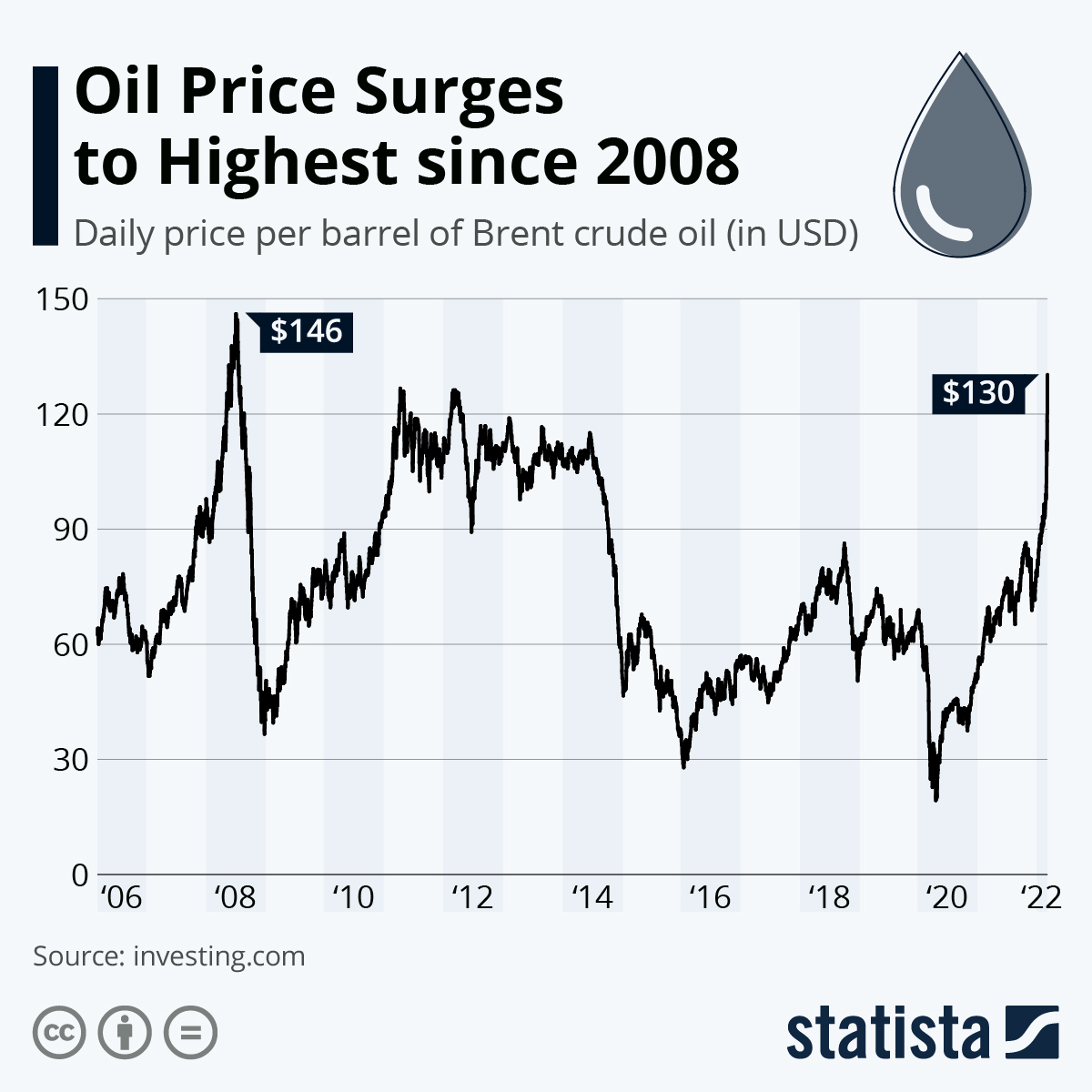
President Donald Trump issued a social media warning on Sunday stating "the Clock is Ticking" for Iran, reviving fears of further escalation in the Middle East. International benchmark Brent crude climbed above $110 per barrel following the statement. Despite a fragile ceasefire, the Strait of Hormuz remains closed, keeping as much as 100 million barrels of oil a week off the market. Experts note that additional output from the Permian Basin is expected to reach only 250,000 barrels per day, a small fraction of the current shortfall.
- Energy costs. U.S. crude oil futures surged 10.5% last week to $105.42 a barrel.
- Price pressures. Producer prices recorded their largest gain in four years in April.
- Prediction markets. Authorities are investigating insider trading on platforms like Polymarket, where accounts with a 98% win rate correctly timed military strikes and ceasefire announcements.
A divided market
While the bond market signals distress, equity markets have remained resilient, supported by a 28% year-over-year jump in first-quarter corporate profits. This "K-shaped" recovery has seen the S&P 500 rise 17% from its March lows even as consumer confidence crashes. However, the high yields are beginning to pressure valuations. The small-cap Russell 2000 sank 2.4% on Friday, its worst day of 2026, as investors weigh the cost of higher borrowing against AI-driven growth.
The next major test for market sentiment arrives Wednesday when Nvidia reports fiscal first-quarter results, with investors watching for updates on its next-generation Vera Rubin chip and potential China sales constraints.