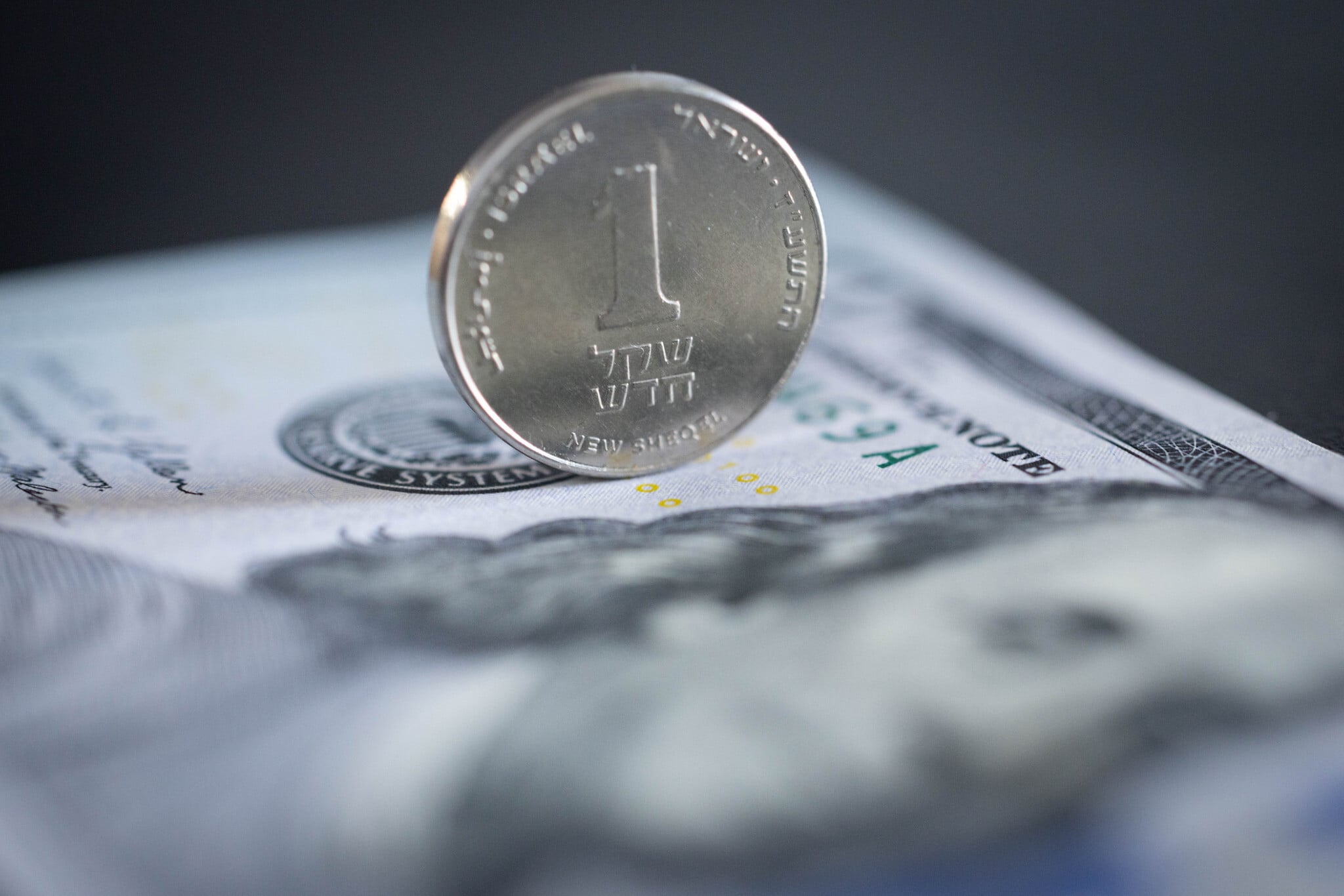
Israel’s dollar sliding below 3 shekels has gone from a consumer windfall to a problem with real economic bite, as exporters say the stronger currency is eroding margins fast enough to force cuts, layoffs and, in some cases, relocation. The exchange rate touched 2.98 last week, a 30-year low for the dollar against the shekel, and businesses paid in dollars are now getting squeezed on every sale.
The mechanics are brutal: companies like A. Grebelsky & Son bring in foreign-currency revenue but pay wages, taxes and overhead in shekels, so every dollar now buys less at home. One exporter said the combination of a stronger shekel and tariffs has added 35 percent to its product price, while economists note that tech firms and multinationals face the same problem when revenue is translated back into local currency.
That is putting pressure on the broader economy, not just factory floors. Manufacturers’ groups warn of canceled investment and layoffs, while official data show goods exports fell 5 percent in the first quarter after a 7.4 percent decline in 2025 in shekel terms; at the same time, a cash rush has left some exchange shops short of dollars as travelers and speculators try to lock in foreign currency. Even nonprofits are getting hit, with one sector estimate saying a $3 billion global funding pool is now worth more than NIS 2 billion less than it was two years ago.
What happens next hinges on whether the current ceasefire backdrop holds and whether policymakers step in. The Bank of Israel has so far stayed on the sidelines, but exporters are openly pressing for intervention or help with costs, and manufacturers warn the pain will deepen if the currency keeps strengthening while the government delays a response.