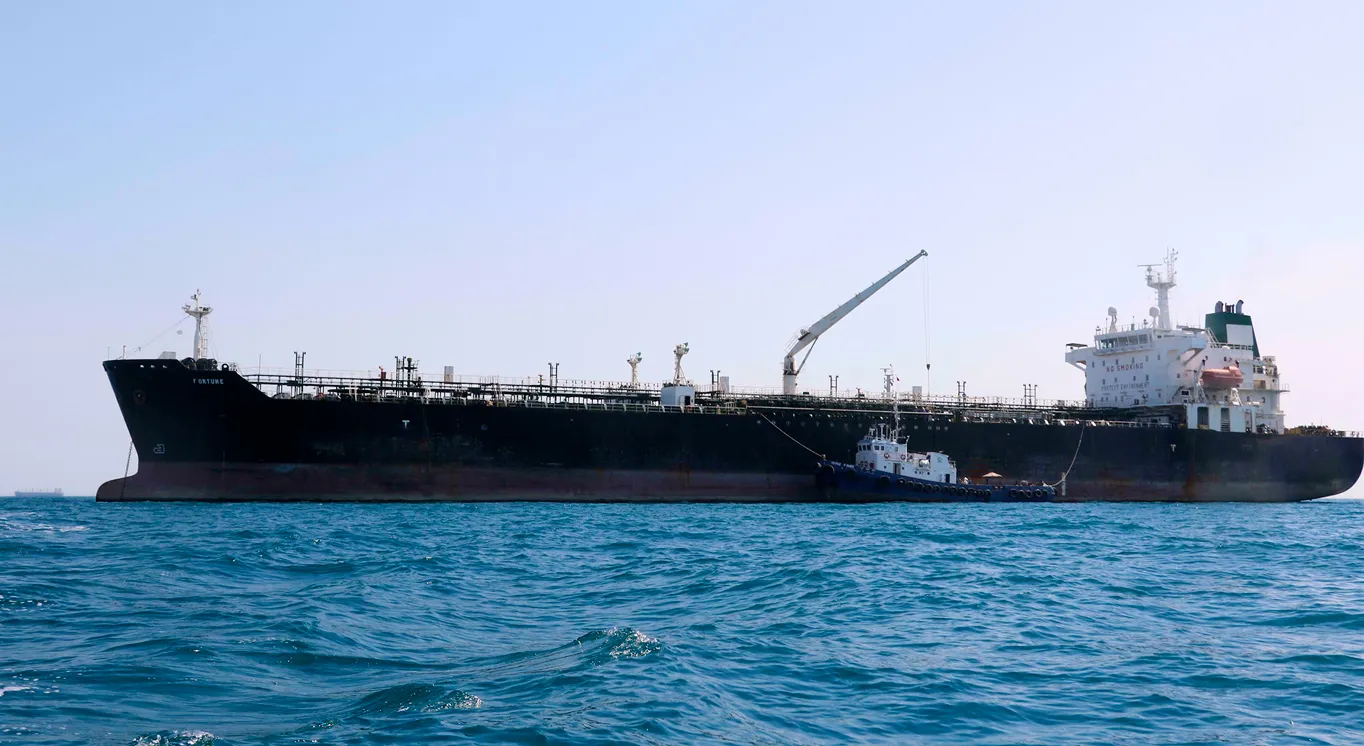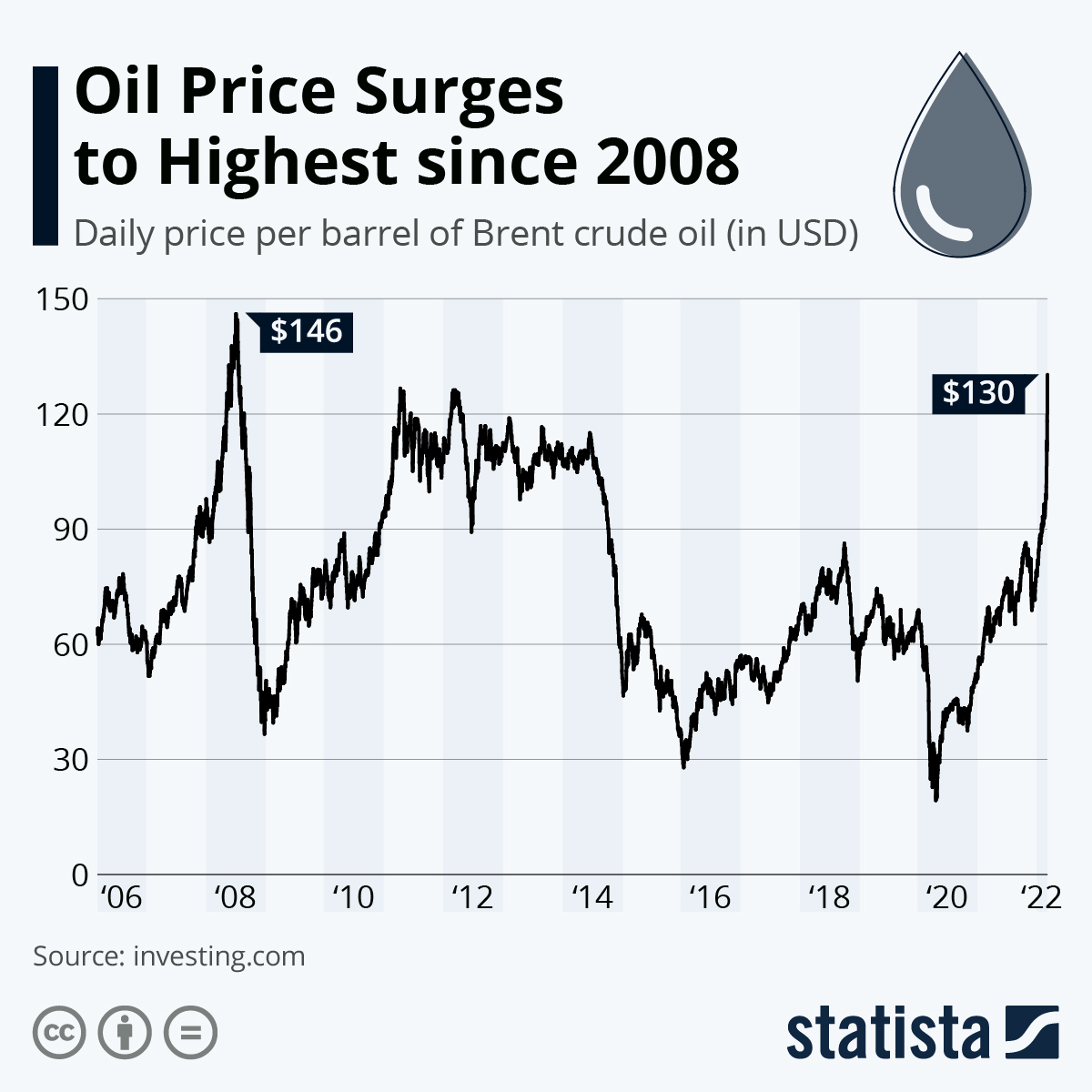
Oil prices jumped on Monday after President Donald Trump issued a sharp warning to Iran on Truth Social, stating that the "Clock is Ticking" and there "won't be anything left" if the country does not take unspecified steps soon. International benchmark Brent crude rose 1.34% to $110.72 per barrel, while West Texas Intermediate climbed 1.75% to $107.26 per barrel. The escalation comes as a fragile ceasefire reached in April remains under pressure, with the Strait of Hormuz still closed and U.S. blockades of Iranian ports continuing.
Supply crunch looming
The renewed friction arrives just as analysts warn of a severe global supply shortfall. Goldman Sachs has predicted shortages starting around June 1 as stockpiles are drawn down at a record pace. Even if the Strait of Hormuz reopens immediately, experts at PGIM note it would take several months for new shipments to reach consuming nations and for production to fully recover.
- Limited relief. Output from the Permian Basin can only realistically add about 250,000 barrels per day, which PGIM describes as a tiny fraction of the current shortfall.
- Rising yields. Inflation fears linked to energy costs pushed the 10-year Treasury yield to 4.6% on Friday, its highest level since early 2025.
- Inflation spike. U.S. annual inflation reached 3.8% in April, fueled largely by skyrocketing fuel costs.
Markets are now pricing in a higher probability that the Federal Reserve, led by newly confirmed Chair Kevin Warsh, may be forced to hike interest rates rather than cut them this year. While tech stocks have previously ignored geopolitical instability, the S&P 500 and Nasdaq ended last week lower as Treasury yields surged. The next test for market resilience arrives Wednesday when Nvidia reports quarterly results, followed by Walmart on Thursday.
The critical date is June 1, when record inventory drawdowns are expected to trigger the predicted supply shortage.