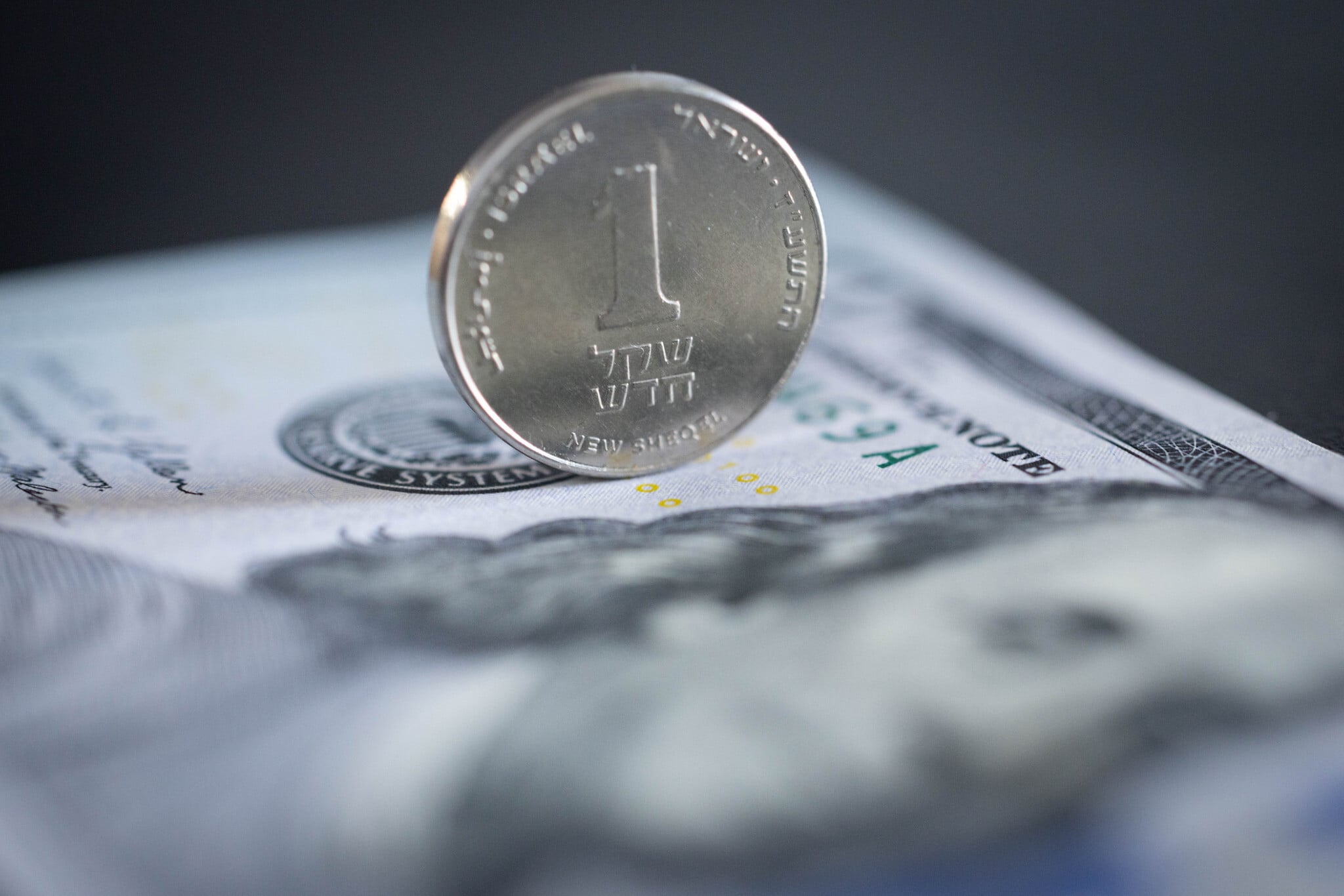
The shekel’s surge is now pinching two very different parts of Israel’s economy at once: exporters who earn dollars and nonprofits that rely on foreign donations. With the currency briefly breaking below NIS 3 to the dollar for the first time since 1995, the same exchange rate that makes imports cheaper is making outside money go less far at home.
For companies like A. Grebelsky & Son, that means a 75 percent U.S. sales mix is colliding with Israeli wages, taxes and overhead paid in shekels, while a new 15 percent U.S. tariff is adding more strain. The result, according to the company, is a 35 percent jump in product prices that is hard to absorb, even as the shekel has gained about 20 percent over the past 12 months and the Tel Aviv-35 has climbed more than 21 percent this year.
Nonprofit groups are feeling a parallel squeeze, because every dollar raised in the U.S. now converts into fewer shekels just as war-related needs have swollen. One sector executive said fundraising trips to the States are no longer a luxury but a necessity, and that donor fatigue from nearly three years of conflict is making the shortfall harder to fill.
That leaves the next test with the Bank of Israel and the government, which so far have stayed on the sidelines even as exporters warn of layoffs, lower investment and possible relocation abroad. Economists quoted in the reporting expect the shekel to stay strong if ceasefires with Iran and Lebanon hold, a setup that will keep pressure on officials to choose between defending growth and preserving the currency’s anti-inflation benefits.