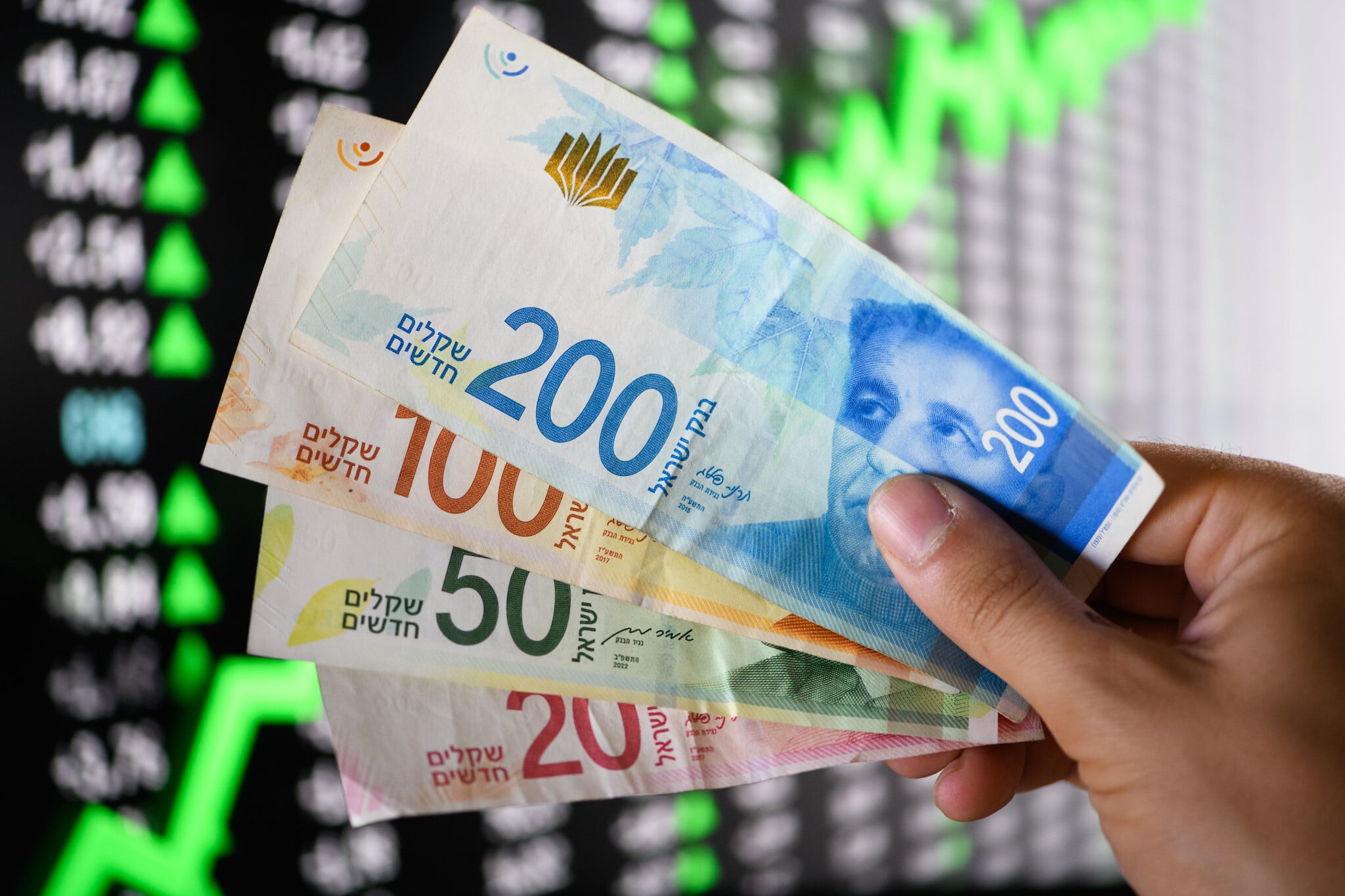
The shekel’s surge below NIS 3 to the dollar has flipped from a currency story into an export squeeze, with manufacturers warning that the jump has already made Israeli goods too expensive to sell abroad. One exporter said the combined hit from the stronger shekel and a new 15 percent U.S. tariff has added 35 percent to the price of its products.
That pressure is showing up across the economy because the same exchange rate that helps consumers buy cheaper imports is eroding dollar revenue for firms that pay wages, taxes and overhead in shekels. The 19 percent drop in the dollar over the past year has also prompted a rush to buy cash, with exchange shops running out within minutes and some would-be buyers treating dollars as a store of value.
For exporters, the immediate consequence is a tighter margin, and in some cases a real threat to production lines and jobs. The Manufacturers Association says exports could fall by NIS 31.5 billion over the coming year if the shekel keeps strengthening, while the trade-credit agency Ashra says demand is rising for state-backed financing so firms can offer better payment terms instead of cutting prices.
What happens next will hinge on whether the currency keeps holding near these levels and whether policymakers respond before the damage hardens. Traders and economists cited in the reporting expect near-term strength to continue if the ceasefires with Iran and Lebanon hold, but the Bank of Israel has so far stayed on the sidelines, leaving companies to watch the next representative rate and any sign of intervention closely.