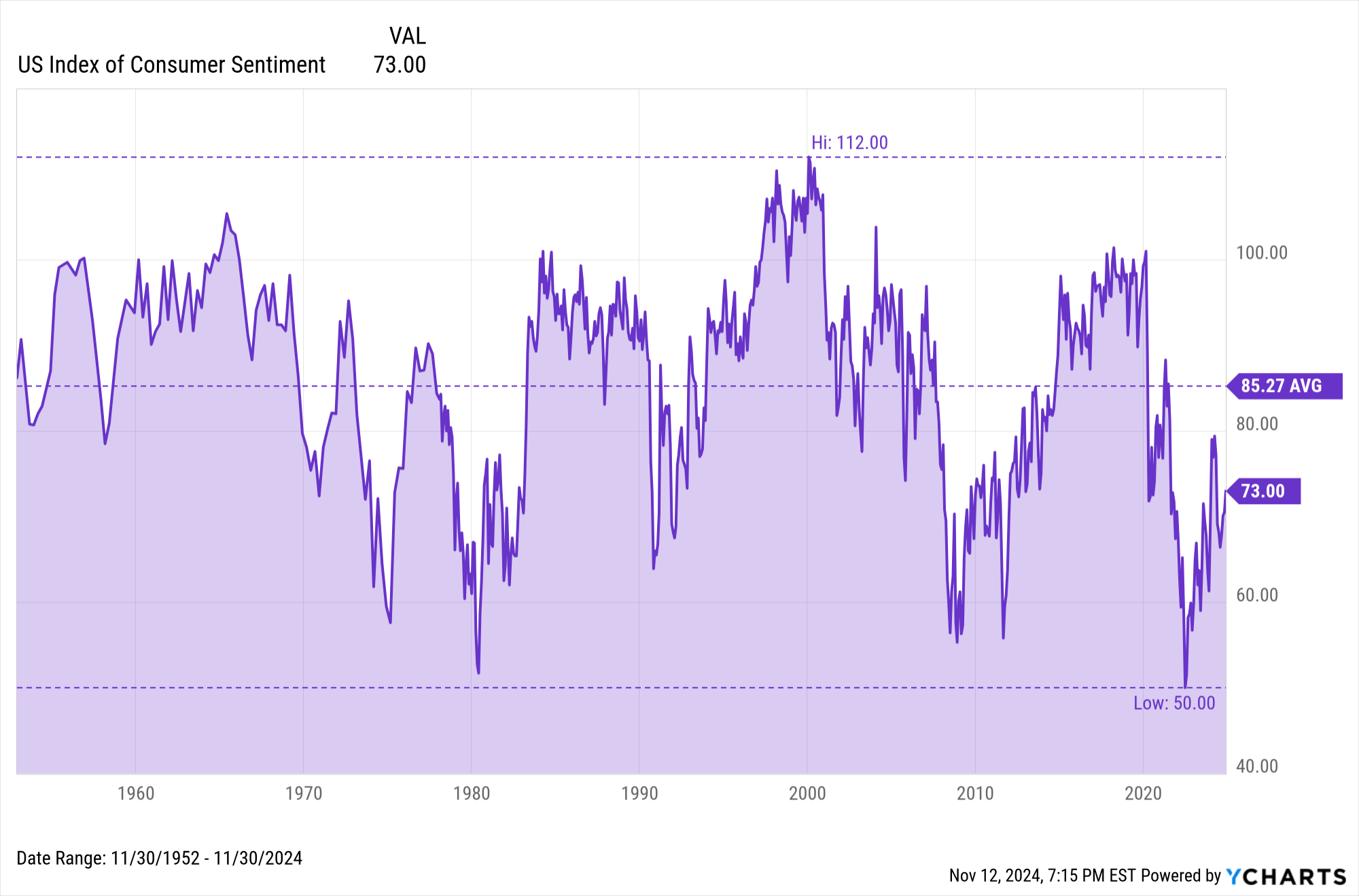
U.S. consumers got more bearish in April even after the ceasefire with Iran, with the University of Michigan’s sentiment index falling to a record 49.8 from 53.3 in March. The drop was broad, including households with stock market exposure, and it came as inflation expectations jumped.
In practice, the conflict’s economic hit is running through fuel and shipping costs, not just headlines. Reuters said gasoline has hovered above $4 a gallon and diesel above $5, while market data cited in a separate report showed manufacturers rushing to build safety stocks as they worry about supply shortages and price hikes.
That leaves consumers, especially lower- and middle-income households, facing a harder squeeze as higher transport costs move into food and other goods. It also puts pressure on the Federal Reserve, since a S&P Global measure of prices charged by businesses rose to the highest level in nearly four years, reinforcing expectations that the central bank will probably not cut rates this year.
There is one offset: lower mortgage rates are briefly helping housing. The average 30-year fixed loan rate fell to 6.35 percent last week and purchase applications rose 10 percent, but mortgage markets remain volatile as investors watch whether the Middle East ceasefire holds and whether energy prices keep easing.