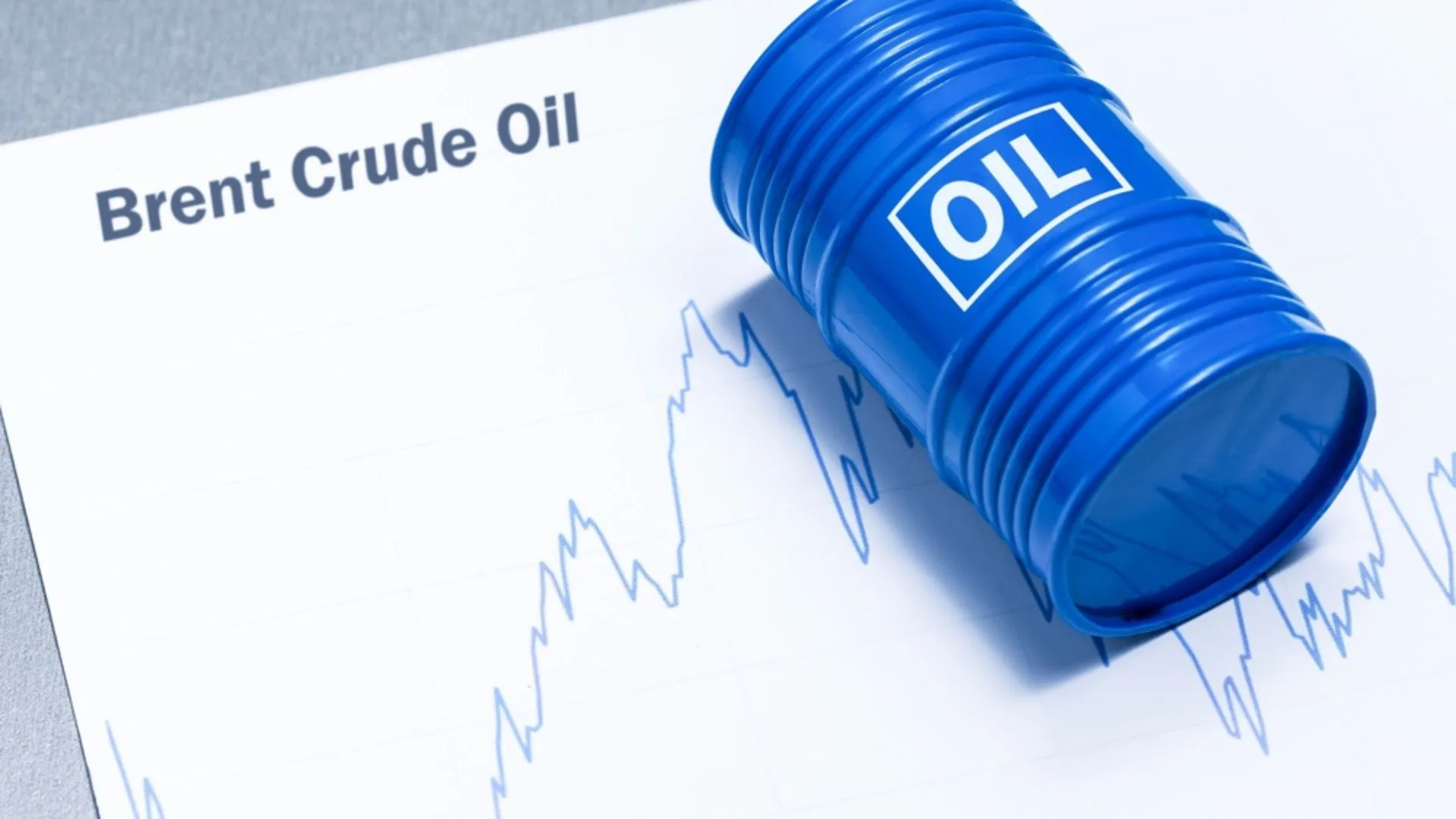
U.S. GDP grew at a 2% annual rate in the first quarter, even as the war in Iran pushed Brent crude to $120 a barrel and kept gas prices elevated. The economy entered the conflict with enough momentum to absorb the first shock; the question now is how long that can last if energy costs stay high.
What stood out in the Commerce Department data was the source of the growth. Consumer spending rose 1.6%, business investment was solid, and government outlays came back after the prior quarter’s shutdown-related drag. The 2% GDP print was a little softer than economists expected, but it still marked a clear rebound from 0.5% growth in the fourth quarter.
AI spending helped keep the economy moving, but the consumer is starting to lose some altitude. That is the cleaner read on the quarter than the headline alone. Business investment tied to artificial intelligence added lift, while softer spending growth and inflation pressure kept the pace from running hotter. The top end of the income ladder is still doing much of the work, which makes the expansion look sturdier than it may feel lower down the income scale.
- Brent crude jumped from around $70 in February to $120 a barrel this week after the Strait of Hormuz was effectively closed.
- Personal consumption grew 1.6% in the first quarter, while government spending rose 4.4% after the shutdown-driven dip in the prior quarter.
- Economists say the longer the conflict lasts, the more it could hit growth and keep the Fed from moving quickly on cuts.
That leaves a new constraint on the economy: growth can still clear 2%, but only if oil does not keep rewriting the inflation bill. If crude stays above $100 into the summer, the debate shifts from whether the war dents growth to how much of the consumer can keep spending through it.