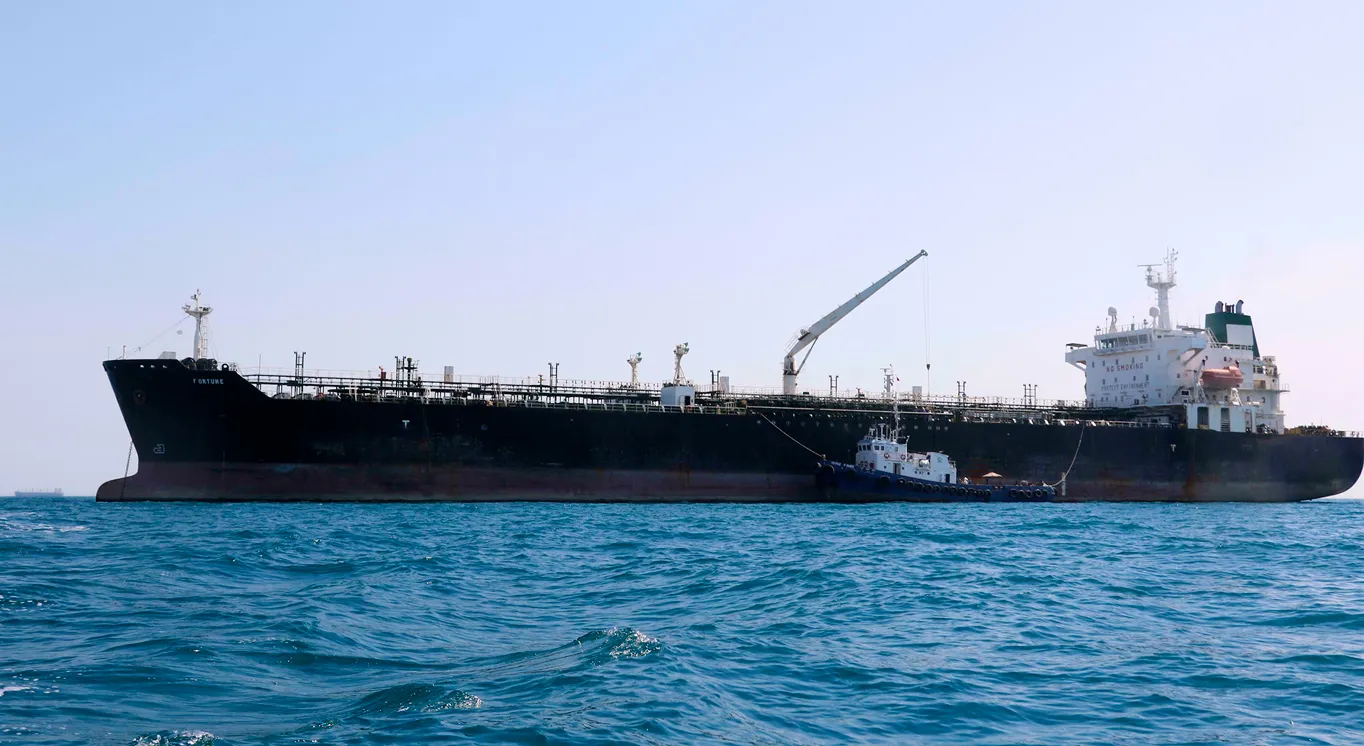
U.S. stocks have climbed 10% since late March, nearly fully unwinding the deep sell-offs triggered by the Iran war earlier this year. The S&P 500 gained nearly 3% on March 31 alone after the Trump administration signaled it would seek an end to the conflict. Despite record highs, major economic disruptions persist, including gas prices well above $4 and a closed Strait of Hormuz that continues to lock in one-fifth of the world’s oil.
Pricing in the worst case
Market strategists describe the current rally as a shift in timeline rather than a denial of reality. Investors appear to have moved on once they believed the ramifications of the war were appropriately priced into shares. This forward-looking "prediction engine" is currently prioritizing strong corporate earnings and an AI investment boom over geopolitical risks. The Citi Economic Surprise Index is currently on its longest positive run in nearly two decades, suggesting that the underlying economy is consistently outperforming market expectations.
Buffett's warning. Warren Buffett recently criticized the current environment, stating that he has never seen investors in a more gambling mood. He specifically cited the explosion of one-day options and manipulation in prediction markets as evidence of a casino-like culture. While Berkshire Hathaway sits on a cash pile of nearly $400 billion, Buffett remains hesitant to buy, arguing that current prices for many assets look "silly" and that the best opportunities only arise when markets are collapsing.
Tech valuations under pressure
The tension between high valuations and fundamental risks is most visible in the semiconductor and streaming sectors:
- Arm Holdings has seen a 70% run-up from its mid-March low and is currently priced at more than 100 times its projected annual profit of $1.80 per share.
- Roku reported a 22% year-over-year revenue increase in Q1, benefiting from resilient consumer engagement with streaming technology.
- TSMC continues to control over two-thirds of the global foundry business, though its valuation remains a primary concern for investors waiting for a pullback.
If the Strait of Hormuz remains closed through the summer, supply chain bottlenecks could break and trigger a recession that markets have not yet factored into current record prices.