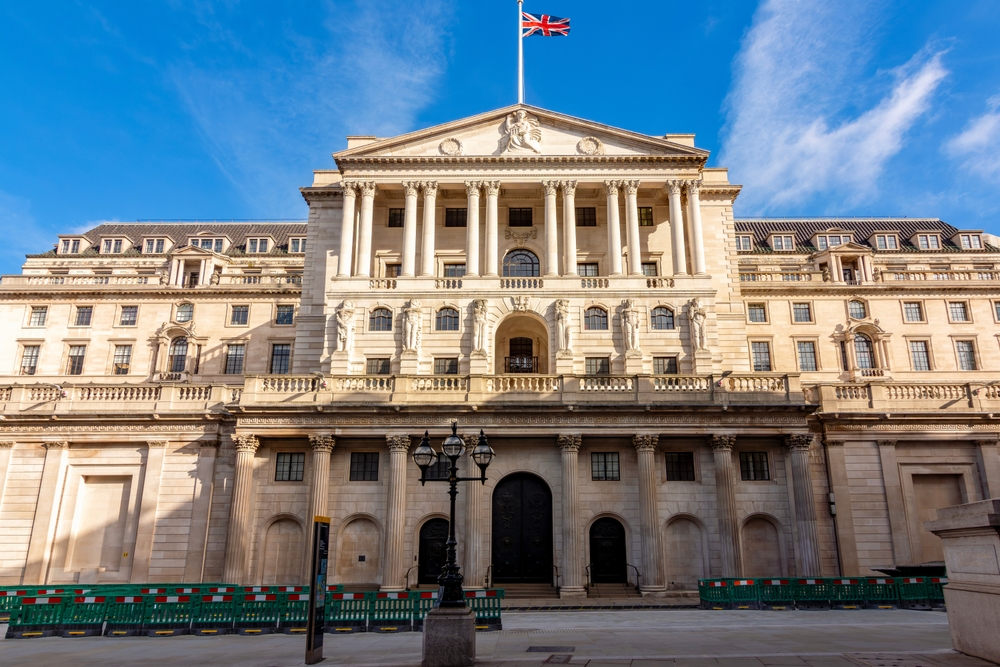
Wall Street’s calm is starting to look less like confidence than a wager that someone will step in if things go wrong. In a New York Times essay, Kyla Scanlon argued that markets have kept ignoring the war in Iran even as crude swings and supply-chain strain build, while the Bank of England’s Sarah Breeden warned that record-high equities do not reflect the risks sitting underneath them, from private credit to richly valued artificial intelligence stocks.
Breeden said she expects an “adjustment” at some point and worried about a scenario in which a macro shock, a private-credit wobble and an AI de-rating hit together. That is a direct shot across the bow for investors who have been treating the rally as too strong to break. The latest move in London reflected some of that nerves, with the FTSE 100 falling after her remarks were published.
Yet the market still wants to buy the same winners. Nvidia closed at a fresh high and crossed $5 trillion in market value after Intel’s blowout results reignited enthusiasm for semiconductors, with Advanced Micro Devices and Qualcomm also surging. That leaves the tech trade squarely in the crosshairs: investors are pouring into AI infrastructure, even as Alphabet and other rivals sharpen the competitive threat, and even as central bankers warn that the valuations look stretched.
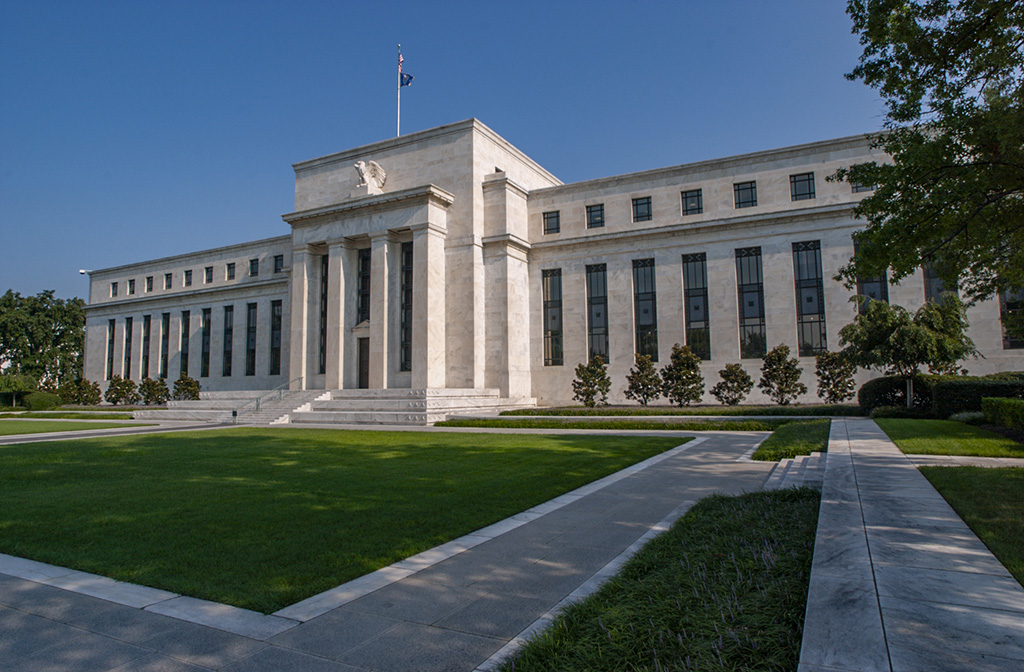
Kevin Warsh, President Trump’s nominee to lead the Federal Reserve, would only add another layer of tension. According to The New York Times, Warsh wants a far smaller Fed balance sheet and closer coordination with the Treasury, a shift that could reshape how rates are set and how much liquidity the central bank leaves in markets. For stocks, bonds and credit, the question is no longer just whether the rally can keep running, but which policy maker, if any, will be allowed to catch the fall.