The Resource Cold War Maps Energy and Rare Earth Bottlenecks
Energy and critical minerals have become instruments of state power, and the bottleneck sits in refining, not mining.
Grace Suzuki is a staff writer at P&L, covering business, technology, and global markets. She previously worked in M&A advisory, focusing on software, consumer deals, and cross-border transactions.
Energy and critical minerals have become instruments of state power, and the bottleneck sits in refining, not mining.
States now control energy and critical mineral chokepoints, so inflation, defense readiness, and AI buildout depend on refining and processing capacity, not just mines.
China’s refining dominance and dumped critical minerals have crushed ex-China project economics, freezing new supply just as grid and AI demand rise.
U.S. producer prices rose 1.1% in May, lifting the 12-month wholesale inflation rate to 6.5%.
Producer prices rose 1.1% in May, lifting the 12-month wholesale inflation rate to 6.5%, the highest since late 2022.
Bankers are targeting a $1.75 trillion valuation for the company, which would rank it among the 10 most valuable firms.
SpaceX set a fixed offering price of $135 a share and aims to raise $75 billion at a roughly $1.75 trillion valuation.
The cryptocurrency is trading near $60,000, a psychological level that previously drew buyers and sits close to its 200-week moving average at $61,778.
Economists expect the ECB to raise its deposit rate by 0.25 percentage point on Thursday to 2.25%.
A Reuters poll found 74 of 80 economists expect a 25-basis-point hike to lift the deposit rate to 2.25%.
Workers' wages are lagging price growth, with average hourly earnings up 3.6% annually while prices jumped 3.8%, compressing household purchasing power.
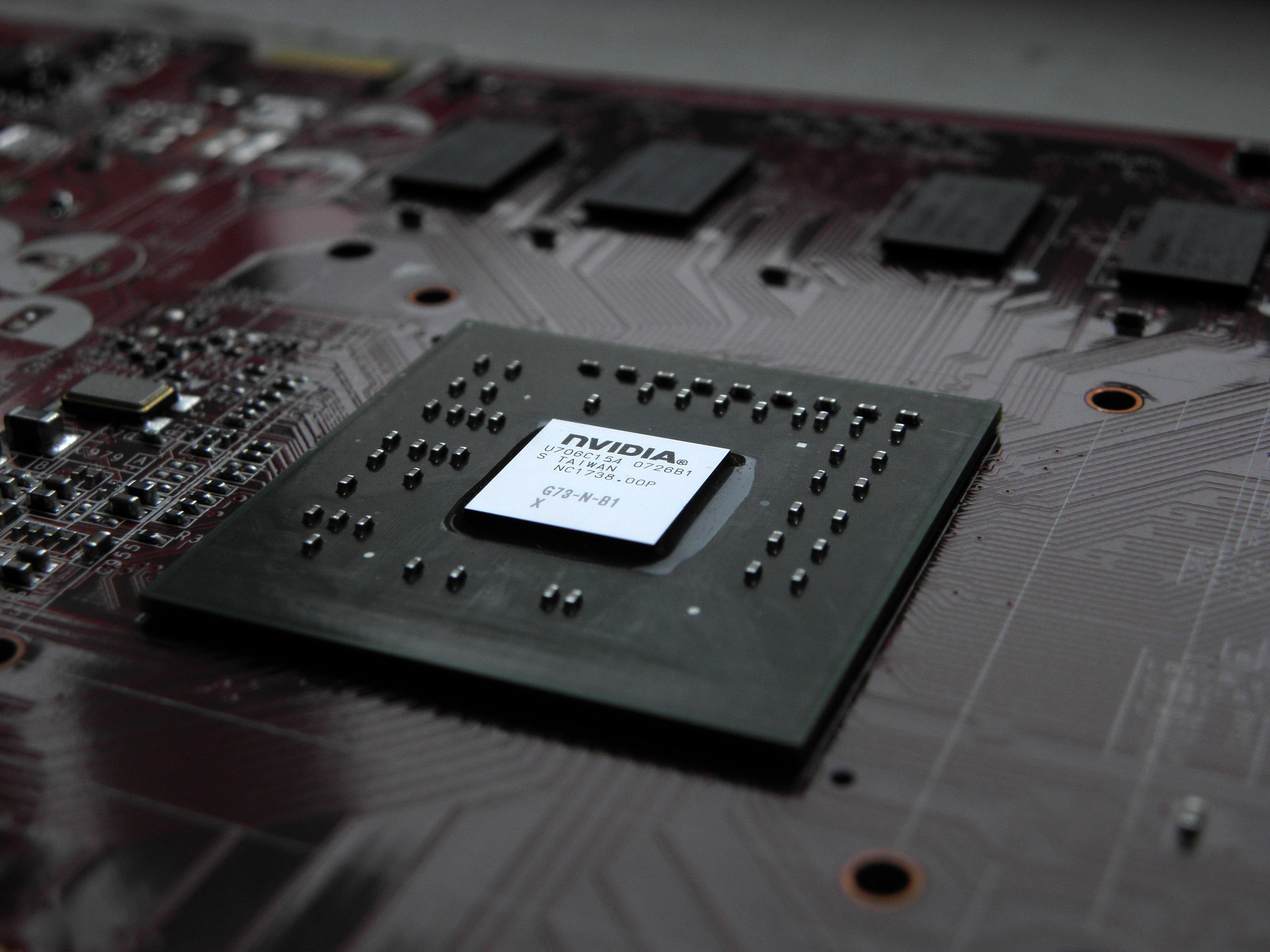
TSMC's dedicated foundry model pools rival chip designers to amortize massive fab costs, driving gross margins to 66.2% by renting out the world's scarcest leading-edge capacity.